
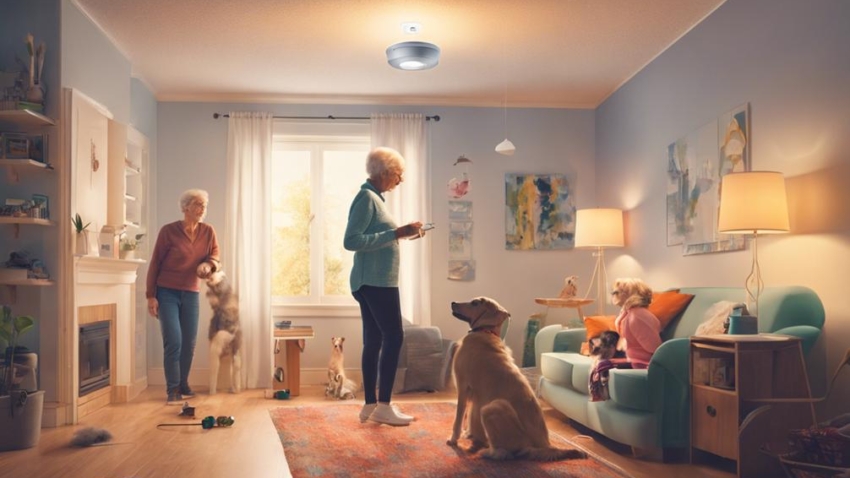
Home Safety Checklist: Keeping Your Environment Secure for All Ages
A thorough home safety checklist is vital for identifying and mitigating potential hazards that can affect people of all ages. It's important to assess slip, trip, and fall risks, ensuring non-slip mats and sturdy handrails are in place. Additionally, electrical and fire safety precautions, such as distributing outlet loads and installing AFCIs, can prevent fires. Poisoning and chemical risks can be minimized by proper storage and handling of hazardous materials. By implementing these measures and more, individuals can create a secure environment for all ages. As they examine their home's safety, they'll uncover even more ways to create a safer, more supportive space.
Assessing Slip, Trip, and Fall Hazards
When evaluating the safety of a home, it's important to identify and address potential slip, trip, and fall hazards, as they are a leading cause of injuries and accidents. These hazards can be particularly dangerous for elderly individuals, young children, and people with disabilities. To create a safer environment, it's vital to identify and eliminate potential hazards.
One common culprit is slippery floors. Installing floor mats with non-slip surfaces, especially in areas prone to moisture like bathrooms and kitchens, can greatly reduce the risk of slips and falls. Additionally, ensuring that walkways and corridors are clear of clutter and tripping hazards, such as loose cords or uneven flooring, can prevent accidents.
Handrails are another essential element in preventing falls. Installing sturdy handrails in stairways and corridors can provide support and balance for individuals who need it, especially on stairs. Moreover, securing area rugs and mats with double-sided tape can prevent them from slipping or moving, reducing the risk of tripping.
Electrical and Fire Safety Precautions
Electrical and fire hazards pose a significant threat to home safety, causing thousands of injuries and fatalities each year. It's important to take proactive measures to minimize these risks and guarantee a safe living environment for everyone. One common hazard is outlet overload, which occurs when too many devices are plugged into a single outlet, leading to overheating and potentially sparking a fire. To avoid this, it's vital to distribute the load evenly among outlets and avoid using extension cords as permanent solutions.
Another critical concern is arc faults, which occur when an electrical current jumps from one wire to another, causing a spark that can ignite nearby flammable materials. Installing arc-fault circuit interrupters (AFCIs) can help detect and interrupt these faults, reducing the risk of electrical fires. Additionally, keeping flammable materials, such as curtains and towels, at a safe distance from heat sources, like stovetops and space heaters, can prevent fires from spreading.
Regularly checking and maintaining electrical systems, including frayed cords and loose connections, can also help prevent electrical fires. Moreover, having a fire escape plan in place, practicing it with all household members, and ensuring working smoke detectors are installed on every level of the home can help ensure a swift and safe response in case of an emergency. By taking these precautions, homeowners can significantly reduce the risk of electrical and fire hazards, creating a safer living space for everyone.
Poisoning and Chemical Risks
Homeowners must also be vigilant about poisoning and chemical risks, which can be just as deadly as electrical and fire hazards, and often lurk in plain sight in the form of household cleaning supplies, medications, and other common substances. These hidden dangers can affect anyone, regardless of age, and can be particularly devastating for young children, seniors, and pets who may unintentionally ingest or come into contact with these harmful substances.
Some of the most common poisoning risks in the home include:
- Medicine Misuse: Improper use of prescription and over-the-counter medications can lead to serious health complications, including overdose and death. Make sure that all medications are stored out of reach of children and pets, and that dosage instructions are strictly followed.
- Pesticide Dangers: Insecticides, herbicides, and other pesticides can be extremely toxic, and their improper use can contaminate soil, air, and water. Always follow the instructions on the label, and consider using natural alternatives whenever possible.
- Household Chemicals: Cleaning supplies, paints, and other household chemicals can release harmful fumes and cause skin irritation. Keep these substances in well-ventilated areas, and always wear protective gear when handling them.
Home Security and Burglary Prevention
Securing one's home against burglars and intruders requires a proactive approach, as a single lapse in vigilance can prove costly. A well-planned home security strategy can greatly reduce the risk of break-ins and protect loved ones and valuables. One effective way to deter potential intruders is by installing outdoor cameras. Strategically placed cameras can capture vital evidence in case of a break-in and also serve as a visible deterrent to would-be burglars.
Another key aspect of home security is community involvement. Neighborhood watches are an excellent way to foster a sense of community and encourage collective responsibility for safety. By working together, neighbors can keep a watchful eye on each other's homes, report suspicious activity, and provide valuable support in times of need. This collaborative approach can lead to a significant decrease in burglaries and create a safer living environment for everyone.
In addition to these measures, it’s essential to maintain good habits, such as locking doors and windows, keeping valuables out of sight, and not advertising one’s absence on social media. By combining these strategies, homeowners can create a robust defense against burglars and intruders, ensuring a safe and secure living space for themselves and their loved ones. By taking proactive steps, individuals can enjoy greater peace of mind and a reduced risk of becoming a victim of burglary. Additionally, fostering a sense of community by getting to know neighbors can enhance security, as vigilant residents are more likely to notice suspicious activities. Engaging in neighborhood watch programs can also be beneficial in establishing an environment where everyone feels responsible for safety. Ultimately, while strengthening physical defenses, prioritizing personal well-being by building better sleep habits can further empower individuals, allowing them to feel more rested and alert to their surroundings.
Safety for Seniors and Disabled
As the aging process or disabilities can severely limit mobility and reaction time, seniors and individuals with disabilities require tailored safety measures to guarantee their well-being and independence in their living spaces. Ensuring their safety and comfort is essential, and it starts with creating an accessible and supportive environment.
To achieve this, it's important to incorporate accessibility features into the home. This can include:
- Installing grab bars and non-slip mats in bathrooms to prevent falls
- Widening doorways and hallways to accommodate wheelchairs or walkers
- Using smart home devices that can assist with daily tasks, such as turning on lights or adjusting thermostat settings
Additionally, caregiver support is crucial in ensuring the safety and well-being of seniors and individuals with disabilities. This can include hiring caregivers who can assist with daily tasks, providing transportation to medical appointments, and offering emotional support. By providing a safe and supportive environment, seniors and individuals with disabilities can maintain their independence and live comfortably in their own homes.
Childproofing and Toddler Safety
At least 3,500 children under the age of three are hospitalized every year due to preventable injuries, making childproofing and toddler safety a top priority for parents and caregivers. It's essential to create a safe environment for young children to explore and grow. One of the most effective ways to do this is by installing baby gates at the top and bottom of stairways, as well as around rooms that contain hazards, such as the kitchen or bathroom. These gates can prevent falls and unwanted access to areas that may pose a risk to little ones.
When it comes to nursery decor, it's important to choose items that are safe and non-toxic. Opt for furniture with sturdy legs and secure any heavy objects to the walls to prevent them from tipping over. Electrical outlets should be installed with tamper-resistant outlet covers, and any cords or wires should be kept out of reach. Additionally, soft furnishings, such as carpets and rugs, should be securely fastened to the floor to prevent tripping hazards.
Emergency Preparedness and Response
In the event of an emergency, having a well-rehearsed plan in place can guarantee the difference between safety and disaster, and every household should develop a customized emergency response strategy. This plan should include identifying escape routes, designating a meeting spot outside the home, and having a communication plan in place in case family members get separated.
Conducting regular disaster drills can help make sure that everyone knows what to do in case of an emergency. It's also essential to have an emergency kit readily available, stocked with essential items such as non-perishable food, water, first aid supplies, and a battery-powered radio.
Some key items to include in your emergency preparedness plan are:
- A list of emergency contact numbers, including those for your local authorities and utility companies
- A plan for evacuation, including a safe route and a designated meeting spot
- An emergency kit with essentials, such as flashlights, batteries, and a first aid kit
Frequently Asked Questions
How Can I Balance Home Safety With Aesthetics and Decor?
She balances home safety with aesthetics and decor by prioritizing functionality. For instance, she strategically places rugs to prevent slipping hazards, ensuring they're securely fastened to the floor. She also thoughtfully plans furniture layout, maintaining a clear path for easy navigation. By doing so, she creates a beautiful and safe space that's enjoyable for everyone, regardless of age or ability.
Are Smart Home Devices Secure From Cyber Threats?
Can we truly feel safe in our own homes when our smart devices are vulnerable to cyber threats? Smart home devices can be a doorway to cyber attacks, exploiting network vulnerabilities and putting personal data at risk. It's essential to prioritize security when integrating smart devices into our homes. By taking steps to secure our networks and keeping software up-to-date, we can minimize the risk of cyber threats and create a safer, more secure environment for everyone.
Can I Rely Solely on Smoke Detectors for Fire Safety?
She cannot solely rely on smoke detectors for fire safety. While they're important, they're not foolproof. False alarms can lead to complacency, and detectors can malfunction. Conducting regular fire drills guarantees everyone knows the escape plan, reducing panic in emergency situations. It's vital to have a multi-layered approach to fire safety, including working smoke detectors, a fire escape plan, and regular drills to secure a safe exit in case of a fire.
How Often Should I Update My Emergency Evacuation Plan?
She updates her emergency evacuation plan regularly to guarantee everyone's safety. It's crucial to review and practice the plan with her family every six months. She organizes family meetings to discuss exit routes, assigning a meeting spot outside, and practicing drills to avoid panic during an emergency. By doing so, she's confident that her loved ones can escape safely and quickly in case of a fire or other disasters.
Are There Any Home Safety Risks Associated With Pet Ownership?
Sadly, over 1 million pets die annually due to household hazards. As a caretaker, it's important to recognize the home safety risks associated with pet ownership. Pet proofing strategies, such as securing toxic substances and storing them out of reach, can greatly reduce the risk of accidents. It's vital to pet-proof your home by removing hazardous items, locking cabinets, and blocking access to electrical cords to guarantee a safe environment for your furry friends.