
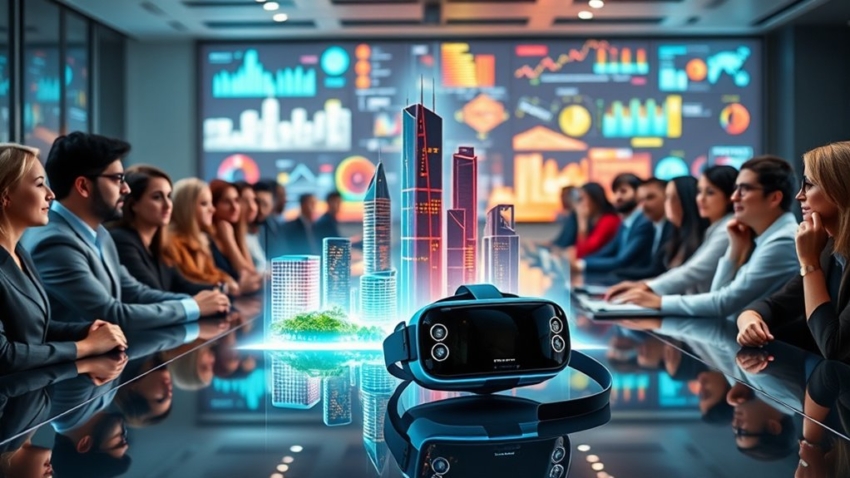
How Gaming Technology Is Influencing Broader Industries
Gaming technology is revolutionizing a range of industries, including healthcare, education, and marketing. Advanced methods such as virtual reality and gamification create engaging experiences that improve learning and patient therapy. In marketing, interactive campaigns cultivate brand loyalty and deepen consumer engagement. Additionally, gaming principles are increasingly adopted in corporate training, enhancing skill acquisition and employee performance. These innovations not only change operational dynamics but furthermore create new market opportunities. As these trends evolve, the implications for both industries and consumers are profound, suggesting a future ripe with potential advancements and applications yet to unfold.
Evolution of Gaming Technology
As gaming technology has evolved, it has not merely transformed the entertainment landscape but also spurred advancements across various industries. The dynamics of game design have become increasingly sophisticated, leveraging state-of-the-art technologies such as virtual reality (VR), augmented reality (AR), and artificial intelligence (AI). This progression has enabled the creation of immersive experiences that captivate players and improve player engagement—a critical factor in maintaining a competitive edge in today's market.
In the domain of game design, the integration of advanced analytics tools allows developers to understand player behavior at an unprecedented level. By analyzing data on player interactions and preferences, companies can tailor experiences that resonate deeply with their audience. This level of personalization not only improves player satisfaction but also nurtures brand loyalty, ultimately driving revenue growth.
Moreover, the principles of game design are being adopted in sectors such as marketing, education, and corporate training. By implementing gamification strategies, organizations can transform mundane tasks into engaging experiences that motivate individuals and enhance retention. This cross-industry application emphasizes the versatility of gaming technology and its potential to redefine traditional methodologies.
As gaming technology continues to advance, it presents an unparalleled opportunity for businesses seeking to innovate and dominate their respective fields. The fusion of high-level game design and heightened player engagement will undoubtedly shape the future, where the boundaries between entertainment and professional sectors blur, leading to a new era of interactive experiences.
Impact on Healthcare Solutions
The advancements in gaming technology have sparked innovative applications within the healthcare sector, reshaping how medical professionals approach patient care and training. One notable development is the integration of telehealth gaming, which allows patients to engage in interactive therapeutic sessions remotely. This technology not only improves patient compliance but also provides healthcare providers with real-time data to monitor progress effectively.
The introduction of gaming mechanics into rehabilitation has transformed traditional therapeutic practices. By leveraging engaging and immersive environments, patients are more motivated to participate in their recovery. Rehabilitation programs that utilize these mechanics can markedly improve outcomes and accelerate healing processes.
| Application | Description | Impact on Healthcare |
|---|---|---|
| Telehealth Gaming | Interactive gaming for remote therapy | Increases patient engagement |
| Gamified Rehabilitation | Game-based exercises for recovery | Improves motivation and adherence |
| Virtual Reality (VR) | Simulated environments for treatment | Provides immersive experiences |
| Data Analytics | Real-time monitoring of patient progress | Enables personalized treatment plans |
| Skill Training | Simulation-based training for healthcare professionals | Improves clinical skills and decision-making |
Transforming Education and Training
Gaming technology is revolutionizing education and training by creating immersive learning experiences that engage learners in unprecedented ways. These interactive environments facilitate skill development through realistic simulations that mimic real-world scenarios. As a result, educators can better prepare students and professionals for the intricacies of their respective fields.
Immersive Learning Experiences
A considerable shift in educational paradigms is underway, driven by the integration of immersive learning experiences. These experiences, characterized by virtual reality and interactive storytelling, are transforming traditional education technology into dynamic platforms that promote experiential learning. By utilizing immersive environments, educators can implement engagement strategies that not only captivate learners but also improve cognitive development.
Simulation training emerges as an impactful tool, allowing learners to practice real-world scenarios in a risk-free setting. This approach considerably enhances skill transfer, ensuring that knowledge is not only acquired but also effectively applied. The user experience in these immersive settings is designed to be intuitive, promoting collaborative learning among participants and encouraging adaptive learning pathways customized to individual needs.
As industries recognize the potential of immersive learning, the focus shifts from rote memorization to the cultivation of critical thinking and problem-solving skills. This evolution empowers learners, equipping them with the tools necessary for success in an increasingly complex world. By embracing these innovative approaches, organizations can utilize the full potential of immersive experiences to drive engagement, improve performance, and prepare for future challenges.
Skill Development Simulations
Numerous organizations are increasingly adopting skill development simulations as a transformative approach to education and training. These simulations leverage gaming technology to cultivate critical competencies, ensuring that individuals are prepared for the intricacies of modern business environments.
Key benefits of skill development simulations include:
- Improved Skill Assessment: Real-time performance tracking allows organizations to evaluate technical skills and emotional intelligence effectively.
- Dynamic Virtual Coaching: Participants receive immediate feedback through virtual coaching, encouraging rapid improvement and adaptability training.
- Engaging Teamwork Exercises: Role-playing games and decision-making scenarios improve leadership development as they promote crisis management capabilities.
Enhancing Marketing Strategies
The integration of gaming technology into marketing strategies is revolutionizing how brands engage with consumers. By utilizing gamification in advertising, companies can create interactive brand experiences that captivate audiences and cultivate loyalty. Furthermore, data-driven targeting strategies enable marketers to tailor their campaigns more effectively, ensuring that the right message reaches the right demographic.
Gamification in Advertising
How can gamification transform traditional advertising methods into engaging experiences? By integrating game-like elements into marketing strategies, brands can greatly improve user engagement and create memorable interactions. Gamification leverages reward systems that not just incentivize consumer behavior but additionally cultivate loyalty and community.
Here are three influential ways gamification is reshaping advertising:
- Interactive Campaigns: Utilizing quizzes, challenges, and contests can create an immersive experience that captivates audiences, encouraging them to participate actively rather than passively consuming content.
- Personalized Rewards: Customized reward systems improve user satisfaction, making consumers feel valued and understood. This personalization drives repeat engagement and strengthens brand affinity.
- Social Sharing: Gamified elements often encourage sharing achievements on social media, amplifying brand reach and visibility as well as tapping into social proof, which is a strong motivator for new customers.
Incorporating these strategies into advertising transforms the consumer experience and positions brands as innovative leaders. Embracing gamification is crucial for marketers who aspire to maximize their impact in an increasingly competitive environment.
Interactive Brand Experiences
Building on the principles of gamification, interactive brand experiences are transforming how consumers engage with marketing strategies. Brands now leverage interactive storytelling to captivate audiences, creating immersive narratives that resonate deeply and encourage emotional investment. This approach not just improves brand recall but also nurtures a sense of belonging among consumers.
By integrating game mechanics into marketing efforts, companies can greatly boost player engagement. Consumers are no longer passive receivers of information; they become active participants in a dynamic brand experience. This shift empowers consumers to explore products in a context that aligns with their interests, thereby increasing the likelihood of conversion.
Moreover, interactive brand experiences facilitate two-way communication, allowing brands to gather invaluable insights into consumer preferences and behaviors. This real-time feedback loop enables organizations to refine their strategies, ensuring they remain relevant and impactful.
As brands continue to adopt these innovative techniques, the lines between gaming and marketing will blur further, driving unprecedented levels of engagement and loyalty. In this fierce competitive environment, those who utilize the strength of interactive brand experiences will position themselves at the forefront of consumer engagement, redefining success in the marketing arena.
Data-Driven Targeting Strategies
As brands increasingly embrace technology, data-driven targeting strategies have emerged as essential tools for enhancing marketing effectiveness. Utilizing data analytics allows companies to refine their approach, ensuring that marketing efforts resonate strongly with the intended audience. This strategic shift is transforming how brands connect with consumers, driving engagement and conversion.
Key elements of effective data-driven targeting strategies include:
- Audience Segmentation: By categorizing consumers into distinct groups based on behavior and preferences, brands can tailor messages that speak directly to each segment, amplifying impact.
- Predictive Analytics: Employing advanced algorithms to forecast future consumer behavior enables brands to preemptively address needs, positioning themselves as indispensable partners in their customers' experiences.
- Real-Time Data Utilization: Utilizing real-time analytics allows brands to adjust campaigns on-the-fly, ensuring that marketing initiatives remain relevant and compelling.
In an era where precision and relevance reign supreme, adopting these data-driven targeting strategies enables brands to engage effectively and dominate their respective markets. Through insightful audience segmentation and strategic data analytics, brands can enhance their marketing aspirations to unprecedented heights.
Gamification in Corporate Culture
A significant number of organizations are increasingly incorporating gamification into their corporate culture to improve employee engagement and productivity. By utilizing game mechanics, companies tap into the intrinsic motivations of their workforce, promoting an environment where employee motivation flourishes. This strategic approach not only improves individual performance but also cultivates a sense of belonging and commitment among team members.
Gamification transforms mundane tasks into compelling challenges, inviting employees to participate actively in their roles. This methodology empowers individuals to set personal goals and track their progress, thereby increasing accountability and driving results. The competitive elements embedded in gamification encourage team collaboration, as individuals rally around common objectives, sharing knowledge and resources to achieve collective success.
Moreover, organizations that embrace gamification witness a significant reduction in turnover rates. When employees feel engaged and recognized for their contributions, they are more likely to remain committed to their roles. This alignment of personal and organizational goals creates a high-performance culture where innovation thrives.
In a setting characterized by rapid change, organizations that prioritize gamification are not just improving employee experiences; they are also positioning themselves as forward-thinking leaders in their respective industries. By utilizing the capabilities of gamification, businesses can create a dynamic work environment that not only attracts top talent but also drives sustained excellence and competitive advantage. In the end, gamification is a catalyst for nurturing a robust corporate culture that champions engagement, performance, and collaboration.
Revolutionizing Customer Engagement
The integration of gamification in corporate culture not merely improves employee engagement but additionally sets the stage for innovative approaches to customer interaction. By utilizing gaming elements, companies can transform mundane tasks into compelling experiences that nurture customer loyalty and drive user feedback. This strategic shift enables businesses to engage customers on a deeper level, ultimately improving brand affinity.
The benefits of gamifying customer engagement are multifaceted:
- Increased Customer Loyalty: Gamification incentivizes repeat interactions by rewarding customers for their engagement, encouraging them to return and participate more actively.
- Improved User Feedback: Through interactive platforms, businesses can solicit real-time feedback, allowing for agile responses to customer needs and preferences, which is crucial for continuous improvement.
- Enhanced Brand Experience: Engaging customers through game-like experiences creates memorable interactions that boost brand perception and differentiate offerings in a competitive marketplace.
As organizations embrace these strategies, they reveal the potential to turn passive consumers into active participants. By cultivating a community where customers feel valued and heard, companies not only improve loyalty but also nurture a culture of collaboration and innovation. In this evolving environment, the influence of gamification will be essential in shaping customer relationships, driving growth, and establishing a formidable market presence.
Advancements in Virtual Reality
Significant advancements in virtual reality (VR) technology are reshaping various sectors, from entertainment to education and healthcare. The evolution of VR has ushered in immersive virtual environments that allow users to engage with digital content in unprecedented ways. This transformative capability enables industries to improve their service offerings, elevating user experiences to unparalleled heights.
In the entertainment sector, VR provides an avenue for interactive storytelling that captivates audiences. Gamers can now traverse fantastical worlds, experiencing narrative arcs in a deeply personal manner. This level of immersion is not merely a novelty; it is a potent tool for engagement, nurturing loyalty and driving revenue.
In education, VR is revolutionizing training methodologies. Institutions are leveraging virtual environments to simulate real-world scenarios, enabling students and professionals to hone their skills in a risk-free setting. The integration of sensory feedback augments these simulations, allowing learners to experience tactile sensations that mimic real-life interactions, thereby reinforcing knowledge retention and practical competence.
Healthcare is another arena where VR is making significant strides. Medical professionals utilize this technology for surgical training and patient rehabilitation, allowing for precise practice without adverse effects. The immersive nature of VR facilitates empathy-building experiences that are critical in patient care, thereby improving the quality of service.
As VR technology continues to advance, its applications will expand, driving innovation across various industries and establishing new benchmarks for user engagement and operational efficiency. The future is poised for a profound transformation, firmly placing VR at the forefront of technological evolution.
AI Innovations in Gaming
As artificial intelligence (AI) continues to evolve, its integration into gaming is revolutionizing how players interact with digital worlds. This transformation is not merely cosmetic; it is fundamentally altering the gaming experience, driving engagement, and creating immersive narratives. Two key innovations—AI storytelling and adaptive gameplay—are at the forefront of this movement, empowering players to take control of their gaming excursions.
The impact of AI innovations in gaming can be distilled into three significant advancements:
- Dynamic Narratives: AI storytelling enables games to craft personalized narratives that adapt to player choices, resulting in unique experiences that resonate on a deeper emotional level. This technology allows for branching storylines, where players can influence outcomes based on their decisions.
- Intelligent NPCs: Through adaptive gameplay, non-playable characters (NPCs) become more than mere background figures. They exhibit realistic behaviors and responses, providing players with challenges that evolve alongside their skill levels, thereby enhancing engagement.
- Personalized Experiences: AI algorithms analyze player behavior in real-time, customizing game environments and challenges to suit individual preferences. This level of personalization increases player satisfaction and investment in the game world.
Future Trends and Implications
Emerging trends in gaming technology suggest a future where AI's role extends beyond improving player experiences to reshaping entire industries. As organizations increasingly adopt game-based learning methodologies, we are witnessing a transformative shift in professional development and training. This paradigm not only boosts engagement but likewise accelerates skill acquisition, ensuring that employees are equipped with the tools necessary to navigate complex business environments. In this competitive atmosphere, the ability to adapt and learn swiftly becomes a significant leverage point for those in authority.
Furthermore, the rise of competitive gaming is forging new pathways for engagement and revenue generation across various sectors. Companies are beginning to recognize the value of esports as a marketing platform, tapping into its vast audience to promote their brands and products. The integration of gamification strategies in corporate strategies cultivates a culture of competition, motivating teams to achieve remarkable results during improving overall productivity.
Looking ahead, the implications of these trends are profound. Industries that utilize gaming technology stand to gain a competitive edge, driving innovation and efficiency. The melding of AI with game-based learning tools promises personalized training experiences, revolutionizing how organizations develop talent. As competitive gaming continues to expand, it will redefine customer engagement and collaboration, pushing the boundaries of what is possible. Leaders who embrace these future trends will not only capture emerging opportunities but likewise establish themselves at the forefront of their industries.
Frequently Asked Questions
How Does Gaming Technology Affect Mental Health and Wellness?
Gaming technology has emerged as a transformative tool in mental health and wellness, particularly through virtual therapy applications. These platforms utilize immersive experiences to engage users, promoting emotional healing and resilience. Furthermore, gaming encourages cognitive benefits, enhancing problem-solving skills, attention, and memory retention. By integrating gamified elements into therapeutic practices, mental health professionals can create compelling interventions that empower individuals, offering innovative pathways to improve overall psychological well-being and personal development.
What Are the Ethical Concerns Surrounding Gaming Technology in Other Industries?
As digital environments morph into immersive domains, ethical concerns surrounding gaming technology loom large. The specter of data privacy raises alarms, as personal information can be exploited, leaving users vulnerable. Additionally, the addiction risk associated with these engaging experiences poses significant challenges, potentially leading individuals astray from their responsibilities. Maneuvering through these intricacies requires a balanced approach, ensuring technological advancements do not overshadow the imperative of safeguarding personal well-being and societal integrity.
Can Gaming Technology Improve Employee Productivity in Non-Gaming Sectors?
Gaming technology has the potential to considerably improve employee productivity in non-gaming sectors through the implementation of gamification strategies and virtual training. By incorporating game-like elements into work processes, organizations can increase engagement and motivation among employees. Virtual training environments provide immersive experiences that facilitate skill development and knowledge retention. In the end, leveraging these innovative approaches promotes a culture of continuous improvement and efficiency, empowering employees to achieve superior performance and drive organizational success.
How Are Small Businesses Adopting Gaming Technology for Growth?
Small businesses are increasingly adopting gaming technology to drive growth by enhancing customer engagement through immersive experiences. By integrating gamified elements into their marketing strategies, these businesses create interactive platforms that captivate customers, nurturing loyalty and brand affinity. Furthermore, the use of virtual reality and augmented reality enables small enterprises to showcase products in innovative ways, finally leading to increased sales and a competitive edge in the market. This strategic approach redefines customer interaction and business dynamics.
What Skills Can Be Developed Through Gaming Technology Beyond Entertainment?
Although one might assume gaming technology merely serves as a vessel for escapism, it paradoxically nurtures crucial skills important for success. Through interactive challenges, individuals improve critical thinking abilities, maneuvering complex scenarios and making strategic decisions. Additionally, multiplayer environments promote teamwork skills, compelling players to collaborate effectively in pursuit of common objectives. This unexpected convergence of entertainment and skill development positions gaming technology as a formidable tool for cultivating competencies that extend far beyond the screen.