
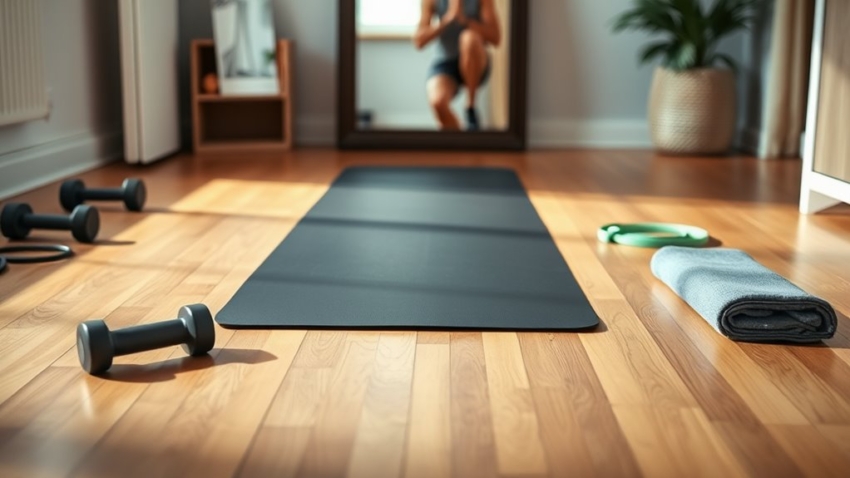
How to Design a Home Workout Plan That Works for You
You're on a mission to create a personalized home workout plan that fits your unique needs and goals. Start by evaluating your current fitness level, considering your health, medical history, and physical limitations. Next, identify how much time you can realistically commit to working out each week. Then, choose a workout style that aligns with your goals and preferences, and select the crucial equipment you need to get started. Finally, create a balanced routine that incorporates strength training, cardio, and flexibility exercises, with rest days built in for recovery. Now you're ready to take the first step in the direction of a stronger, healthier you.
Assess Your Fitness Level
Since you're about to commence a home workout plan, it is essential to assess your current fitness level to create an effective and realistic routine. This fitness assessment will help you understand your strengths, weaknesses, and areas for improvement. By doing so, you'll be able to set achievable personal goals that cater to your specific needs and abilities.
Start by evaluating your overall health and fitness. Consider your medical history, any physical limitations, and your current activity level. Be honest with yourself – are you a beginner, intermediate, or advanced exerciser? This self-awareness will enable you to tailor your workout plan to your unique requirements.
Next, identify your specific fitness goals. Do you want to lose weight, build muscle, or increase endurance? Are you preparing for a marathon or simply aiming to feel more energetic? Having clear goals in mind will help you focus your workout plan and track your progress.
Identify Your Available Time
How much time can you realistically devote to your home workout plan each week? Be honest with yourself – it's vital to set a realistic goal that you can adhere to in the long run. Reflect on your daily schedule, work commitments, family responsibilities, and social engagements. Identify the time slots that you can realistically designate for exercise.
Effective time management is significant when designing a home workout plan. You need to schedule your workouts in a way that fits your lifestyle. If you have a busy schedule, you may need to break your workout into shorter sessions, such as 20-30 minutes, several times a week. Having scheduling flexibility is key to ensuring that you can adapt to changes in your daily routine.
It's equally vital to reflect on your energy levels and preferences. If you're not a morning person, don't force yourself to wake up at 5 am for a workout. Instead, schedule your workout during a time when you have the most energy and focus. Remember, the goal is to create a sustainable workout plan that you enjoy and can stick to in the long run. By identifying your available time and incorporating time management and scheduling flexibility, you'll be more likely to succeed in your fitness expedition.
Choose Your Workout Style
What kind of workouts do you enjoy or think you'll stick to in the long run? This is a significant question to answer when designing a home workout plan that works for you. When you choose a workout style that you enjoy, you're more likely to stick to it and make it a sustainable part of your lifestyle.
You may prefer cardio options like running, cycling, or dancing, which get your heart rate up and burn calories. Or, you might enjoy strength training, which builds muscle and increases overall strength. Perhaps you're someone who likes a mix of both, or you're interested in trying something new like yoga or Pilates. Whatever your preference, it's important to choose a workout style that you look forward to doing, rather than dreading.
When selecting a workout style, consider your fitness goals and what you want to achieve. Are you looking to lose weight, build muscle, or increase endurance? Different workout styles cater to different goals, so it's significant to choose one that aligns with your objectives. Furthermore, think about your schedule and how much time you can commit to working out each week. This will help you determine the frequency and duration of your workouts. By choosing a workout style that you enjoy and that fits your lifestyle, you'll be more likely to stick to your plan and see long-term results.
Select Essential Equipment
With your workout style in mind, it's time to think about the equipment you'll need to make it happen. As you start building your home workout plan, you'll want to focus on fundamental items that cater to your preferred exercises.
Dumbbells are a great place to start. These versatile weights can be used for a variety of exercises, from bicep curls to tricep extensions, and even squats and lunges. You can likewise use dumbbells for full-body workouts, targeting multiple muscle groups at once. Consider investing in a range of dumbbell weights to accommodate different exercises and your growing strength.
Resistance bands are another necessity for any home gym. These lightweight, portable tools provide resistance in multiple directions, making them perfect for strength training and flexibility exercises. You can use them to target specific muscle groups or incorporate them into full-body workouts. Plus, they're easy to store and travel with, making them a great addition to your home gym.
Create a Balanced Routine
You've got the foundation of your home gym set up, now it's time to build a workout routine that targets all major muscle groups and keeps you motivated. A balanced routine should include a mix of strength exercises, flexibility training, and cardio to guarantee overall fitness.
Start by dividing your workout routine into upper body, lower body, and core exercises. For each section, include a combination of strength exercises that target different muscle groups. For example, on upper body days, you might do push-ups, bicep curls, and tricep dips. On lower body days, you might do squats, lunges, and calf raises. Don't forget to include exercises that target your core, such as planks, Russian twists, and leg raises.
In addition to strength exercises, make certain to incorporate flexibility training into your routine. This can include static stretches, dynamic stretches, or yoga and Pilates exercises. Flexibility training will help improve your range of motion, reduce injury risk, and improve overall performance.
Remember to likewise include cardio exercises in your routine, such as jogging, cycling, or jumping rope. Cardio exercises will help improve your endurance, burn calories, and boost your mood. Aim to do cardio exercises at least 2-3 times per week, with at least one day of rest in between. By incorporating strength exercises, flexibility training, and cardio into your routine, you'll be well on your way to achieving overall fitness and reaching your goals.
Frequently Asked Questions
Can I Design a Home Workout Plan if I Have a Medical Condition?
If you have a medical condition, you can still design a home workout plan that suits your needs. First, consult with your doctor to discuss medical considerations and get clearance for physical activity. Then, focus on safe exercises that accommodate your condition. For example, if you have knee problems, opt for low-impact activities like yoga or swimming. By taking these precautions, you'll be able to create a personalized plan that promotes fitness during protecting your health.
How Do I Stay Motivated to Work Out at Home?
You're more likely to stick to your workout routine if you've got someone to report to! Find an accountability partner who shares your fitness goals, and schedule regular check-ins to track progress. Another motivator? Reward yourself after reaching milestones! Treat yourself to a new workout outfit, a post-workout massage, or a healthy dinner at a favorite spot. By acknowledging small victories, you'll stay pumped and driven to continue crushing your home workouts.
Can I Work Out at Home With a Small Child Present?
You're wondering if you can work out at home with a small child present? Absolutely! Involve them in child-friendly workouts, like following along with a kid's yoga video or playing "Simon Says" with exercise moves. Make it fun by incorporating engaging activities, such as jumping jacks during a dance party or running in place as you watch a favorite cartoon. This way, you'll get your exercise as you bond with your little one and create a positive association with fitness.
What if I Don't See Results From My Home Workout Plan?
You've hit a brick wall, and your progress has stalled. Don't worry, it's normal to plateau! It's like hitting a speed bump on your fitness expedition. To get back on track, you need to shake things up. Reassess your workout plan and make adjustments. Try new exercises, change your routine, or incorporate different plateau strategies. You got this! By making tweaks and staying committed, you'll be back to crushing your fitness goals in no time. Remember, every setback is an opportunity to learn and grow.
Can I Switch up My Home Workout Plan if I Get Bored?
You're feeling stuck in a rut, and fitness boredom is creeping in. Don't worry, it's normal! You can definitely switch up your home workout plan to avoid plateaus. Introduce workout variety by trying new exercises, swapping equipment, or taking online classes. This will not just fight boredom but likewise challenge your body in new ways. Remember, it's okay to mix things up – it's all about finding what keeps you motivated and excited to move!