
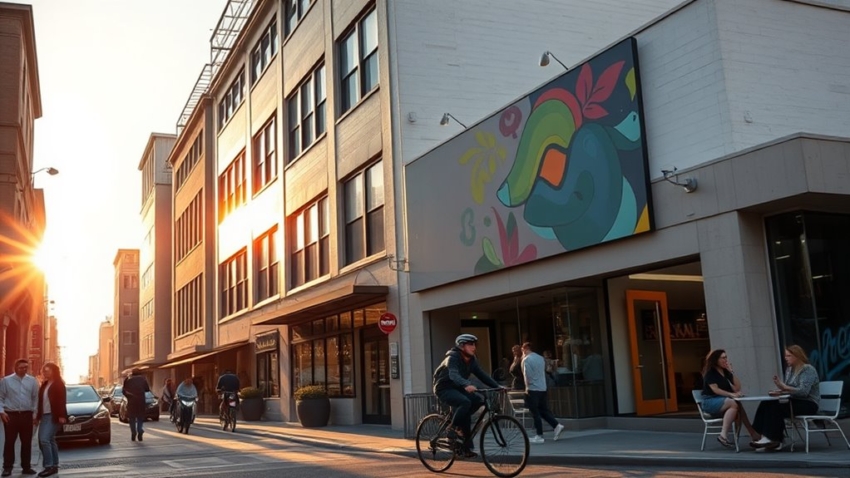
How to Identify Up-and-Coming Neighborhoods
To identify up-and-coming neighborhoods, look for areas with new developments and construction, such as modern amenities and urban revitalization projects. Infrastructure improvements, like roadway expansion and public park renovations, in addition improve quality of life and property values. Furthermore, thriving local businesses, demographic shifts in the direction of eco-friendly options, and community engagement initiatives are indicators of growth. Strong educational resources, accessible public transportation, and innovative housing solutions further contribute to a neighborhood's potential. By examining these factors, you can uncover hidden gems; and a closer examination of these dynamics will reveal even more insights into the complex factors driving neighborhood growth.
Look for New Developments and Construction
As urban environments evolve, savvy investors and homebuyers are wise to track new developments and construction projects, which often signal a neighborhood's upward trajectory. These projects can be a key indicator of a community's growth potential, as they typically bring in new amenities, services, and opportunities that improve the area's desirability.
New construction projects, in particular, can be a strong draw for potential residents and investors. They often introduce modern amenities, such as green spaces, community centers, and upscale living options, which can greatly improve the quality of life in a neighborhood. Moreover, new construction can lead to urban revitalization, as it can breathe new life into neglected or underutilized areas.
When evaluating a neighborhood's potential, it is crucial to research and monitor new developments and construction projects. Look for projects that are transforming underutilized or industrial areas into lively, mixed-use spaces. In addition, investigate the types of businesses and services that are moving into the area, as they can be indicative of the neighborhood's evolving character. By staying attuned to these developments, investors and homebuyers can gain valuable insight into a neighborhood's potential for growth and appreciation.
Check for Infrastructure Improvements
Although new developments and construction projects can be a significant draw, they are often complemented by infrastructure improvements that can further boost a neighborhood's appeal. These upgrades can include enhanced transportation systems, improved public facilities, and improved community spaces. When evaluating a neighborhood's potential, it is crucial to take into account the infrastructure improvements that are underway or planned.
| Infrastructure Improvement | Impact on Neighborhood | Funding Source |
|---|---|---|
| Roadway Expansion | Increased accessibility, reduced congestion | Municipal Bond Issuance |
| Public Park Renovation | Improved community space, increased property values | Public-Private Partnership |
| Pedestrian and Bike Lane Installation | Improved safety, increased walkability | Urban Planning Grant |
| Public Transportation System Upgrade | Increased connectivity, reduced traffic congestion | Federal Infrastructure Funding |
Infrastructure improvements can be a significant indicator of a neighborhood's growth potential. By grasping the sources of funding, such as municipal bonds, public-private partnerships, or federal grants, you can better assess the likelihood of these projects coming to fruition. Urban planning initiatives can likewise provide valuable insights into the neighborhood's long-term vision and goals. By examining these factors, you can gain a more thorough comprehension of a neighborhood's potential and make informed decisions about investing in the area.
Research Local Business Growth
A thriving local business scene is often a hallmark of an up-and-coming neighborhood, as it can cultivate a sense of community, create jobs, and drive economic growth. When researching local business growth, look for signs of entrepreneurship and innovation. The presence of business incubators, accelerators, or coworking spaces can indicate a neighborhood's potential for growth. These hubs often encourage a sense of community among business owners, providing resources, networking opportunities, and mentorship.
Moreover, investigate local partnerships between businesses, organizations, and government entities. Collaborations between stakeholders can lead to initiatives that benefit the community, such as revitalization projects, job training programs, or cultural events. These partnerships can likewise attract new businesses and investment to the area.
Analyze the types of businesses emerging in the neighborhood, such as artisanal food shops, craft breweries, or boutique hotels. These types of businesses can signal a neighborhood's transformation into a lively and desirable destination. In addition, research local business owners' sentiments about the area, as their feedback can provide valuable insights into the neighborhood's growth potential. By examining these factors, you can gain a better comprehension of a neighborhood's business environment and potential for future growth.
Analyze Demographic Shifts and Trends
Demographic shifts and trends can greatly impact the trajectory of a neighborhood, making it vital to analyze these changes when identifying up-and-coming areas. A thorough examination of demographic data can reveal valuable insights into the neighborhood's potential for growth and development.
One key indicator to look for is population growth. A steady increase in population can signal an influx of new residents, businesses, and investment opportunities. Conversely, a decline in population may indicate a lack of desirability or limited opportunities. Age demographics are likewise important to evaluate, as they can influence the neighborhood's character and demand for amenities. For instance, an area with a high proportion of young professionals may drive demand for trendy bars and restaurants, whereas an area with a growing family population may require more schools and childcare services.
Analyzing demographic trends can furthermore help identify emerging patterns and preferences. For example, a neighborhood with a growing proportion of environmentally conscious residents may see an increase in demand for eco-friendly amenities and sustainable living options. By comprehending these demographic shifts and trends, investors and developers can make informed decisions about where to invest and how to tailor their projects to meet the needs of the local community. By doing so, they can capitalize on the potential of up-and-coming neighborhoods and contribute to their growth and revitalization.
Investigate Community Engagement Initiatives
How can community engagement initiatives serve as a catalyst for neighborhood revitalization? By nurturing a sense of community and promoting collective responsibility, these initiatives can spark positive change and attract new residents, businesses, and investment. A thriving neighborhood is often characterized by a strong sense of community, where residents are actively engaged in local issues and work together to address challenges.
To gauge the level of community engagement in a neighborhood, look for initiatives such as community events, volunteer opportunities, and neighborhood associations. These initiatives demonstrate a community's ability to come together, share resources, and drive positive change. For instance, a neighborhood with regular community events, such as farmers' markets, street festivals, or charity runs, indicates a strong sense of community and a willingness to collaborate.
Furthermore, volunteer opportunities, such as clean-up initiatives, park beautification projects, or mentorship programs, demonstrate a community's commitment to improving the quality of life for its residents. The presence of neighborhood associations or community groups also suggests a level of organization and coordination, which can be an influential driver of positive change. By investigating community engagement initiatives, you can gain valuable insights into a neighborhood's potential for growth and revitalization.
Evaluate School District and Education
The quality of local schools and educational institutions is a critical factor in evaluating a neighborhood's potential for growth and revitalization. A neighborhood with well-performing schools and access to quality educational resources can attract families and professionals, driving up property values and sparking community development.
When evaluating a neighborhood's education horizon, consider the following key indicators:
- School rankings: Research the local schools' performance on standardized tests, graduation rates, and college acceptance rates to gauge their quality.
- Education funding: Look into the local government's allocation of funds to education, along with any private investments or grants supporting educational initiatives.
- Teacher-to-student ratio: A lower ratio can indicate more personalized attention and a better learning environment.
- Availability of extracurricular activities: A diverse range of extracurricular activities can enrich students' lives and cultivate a sense of community.
A neighborhood with strong schools and educational resources can be a major draw for potential residents, driving up demand for housing and stimulating local economic growth. By carefully evaluating these factors, you can gain a better comprehension of a neighborhood's potential for revitalization and make informed decisions about your investment.
Assess Public Transportation Options
When evaluating an up-and-coming neighborhood, it's crucial to reflect on the public transportation options available. The presence of convenient bus and train routes, along with their frequency and reliability, can greatly influence the quality of life for residents. Furthermore, the walkability and bikeability of the area can significantly improve its overall livability and appeal.
Bus and Train Routes
Commuting convenience is a top priority for many homebuyers, and a neighborhood's public transportation options can considerably impact its desirability. When evaluating bus and train routes, consider the following key factors:
- Direct routes: Are there direct bus or train lines connecting the neighborhood to major employment centers, shopping districts, or entertainment hubs?
- Bus accessibility: Are bus stops conveniently located, well-maintained, and easily accessible for residents with disabilities or limited mobility?
- Transit efficiency: How frequently do buses and trains run, and are their schedules optimized for peak commute hours?
- Intermodal connections: Are there seamless transfers between bus and train lines, allowing residents to easily switch between modes of transportation?
Frequency and Reliability
Frequency and reliability are crucial components of a neighborhood's public transportation system, as they directly impact residents' daily commutes and overall quality of life. A reliable and frequent public transportation system can greatly improve the attractiveness of a neighborhood, driving up market trends and investment potential.
When evaluating the frequency and reliability of public transportation options, consider the average wait time between buses or trains, the number of routes available, and the operating hours. Look for neighborhoods with public transportation systems that run frequently, ideally with headways of 15 minutes or less, and operate for extended hours to accommodate varying schedules. Moreover, examine the reliability of the system, including the percentage of on-time arrivals and departures. A dependable public transportation system can be a major selling point for potential residents, increasing the desirability of a neighborhood and driving up property values. By reviewing the frequency and reliability of public transportation options, investors and homebuyers can make informed decisions about up-and-coming neighborhoods with strong growth potential.
Walkability and Bikeability
Urban planners and real estate experts alike recognize the significance of walkability and bikeability in evaluating public transportation options within a neighborhood. A neighborhood that prioritizes pedestrian safety and cycling amenities can greatly impact the quality of life for its residents. When appraising walkability and bikeability, consider the following key factors:
- Wide, well-maintained sidewalks and crosswalks that encourage walking and strolling
- Dedicated bike lanes and secure bike storage facilities that promote cycling
- Access to public transportation hubs, such as bus or train stations, that provide convenient connections to the rest of the city
- Abundant pedestrian-only zones, such as parks and plazas, that cultivate a sense of community and social connection
Identify Innovative Housing Solutions
As cities continue to grapple with the challenges of rapid urbanization, innovative housing solutions have become a crucial component of sustainable development. Up-and-coming neighborhoods often showcase pioneering approaches to housing, which can be a key indicator of a area's potential for growth. When evaluating a neighborhood, look for novel housing solutions that prioritize efficiency, affordability, and environmental sustainability.
Sustainable housing projects, for instance, incorporate green building materials, energy-efficient systems, and renewable energy sources to minimize their ecological footprint. These projects not only reduce the environmental impact of urbanization but likewise offer residents a healthier living environment. Adaptive reuse projects, which repurpose abandoned or underutilized buildings, are another example of innovative housing solutions. By revitalizing existing structures, these projects preserve the neighborhood's character while reducing waste and conserving resources.
Innovative housing solutions can similarly involve alternative ownership models, such as community land trusts or cooperative living arrangements. These models promote affordability, community engagement, and social cohesion, making them an attractive feature of up-and-coming neighborhoods. By identifying and supporting innovative housing solutions, investors and residents can contribute to the development of thriving, sustainable communities that offer a high quality of life for their inhabitants.
Frequently Asked Questions
What Are the Signs of Gentrification in a Neighborhood?
Signs of gentrification in a neighborhood include an influx of community investments, such as new businesses, renovated properties, and improved infrastructure. Nevertheless, this trend is often accompanied by rising rents, which can displace long-time residents and small businesses. Other indicators include an increase in trendy amenities, a shift in demographics, and a growing presence of upscale developments. By recognizing these signs, individuals can take proactive steps to maintain control and guarantee that gentrification benefits the existing community, rather than solely catering to new, affluent arrivals.
Can I Trust Online Neighborhood Reviews and Ratings?
Beware of the siren's song of glowing online reviews, for they may lure you into treacherous waters. When researching neighborhoods, it's crucial to scrutinize online credibility and review authenticity. Don't take ratings at face value; instead, dig deeper to confirm they're based on genuine experiences. Be cautious of fake or paid reviews that can skew perceptions. Verify information through multiple sources to maintain control over your decision-making process.
How Do I Determine if a Neighborhood Is Safe?
To determine if a neighborhood is safe, look beyond anecdotal evidence and focus on verifiable data. Review crime statistics from reputable sources, such as police departments or the FBI's Uniform Crime Reporting (UCR) Program. Furthermore, assess community engagement by attending local meetings, speaking with residents, and observing neighborhood watch programs. This proactive approach will provide an all-encompassing grasp of the area's safety, empowering you to make informed decisions.
What Is the Impact of Airbnb on Neighborhood Growth?
The proliferation of Airbnb has sparked debate on its impact on neighborhood growth. On one hand, it can generate significant revenue for local residents, boosting the economic impact of an area. Nevertheless, unchecked Airbnb activity can lead to concerns over noise, disruption, and housing availability. Implementing Airbnb regulations can strike a balance between allowing homeowners to capitalize on the platform and maintaining community integrity. By doing so, neighborhoods can utilize the benefits of short-term rentals during the preservation of their unique character.
Can I Negotiate With Sellers in an Up-And-Coming Area?
As the sun rises on a hidden gem, savvy buyers can capitalize on the dawn of a new era. In up-and-coming areas, price flexibility becomes a valuable currency. Sellers, motivated by the promise of revitalization, may be more open to negotiations. By grasping their motivation, buyers can strike a deal that sweetens the pot. With a sharp eye on the market and a pulse on the seller's needs, buyers can seize control of the negotiation process, securing a prime property at a prime price.