
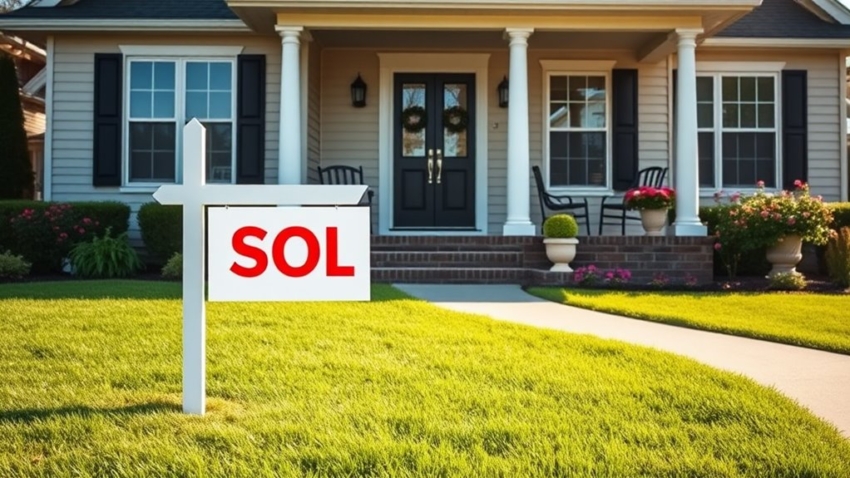
How to Sell Your Home Quickly and at the Best Price
To sell your home quickly and at the best price, conduct thorough market analysis and research pricing strategies. Prepare your home by enhancing curb appeal and staging it to attract potential buyers. Utilize effective marketing channels and consider hiring a real estate agent with strong negotiation skills. A well-planned approach will increase your chances of a successful sale. By comprehending the key factors that influence home sales, you can make informed decisions to achieve your selling goals and uncover the most effective ways to reach potential buyers.
Determine Your Selling Price
Determining your selling price is a vital step in the home selling process, as it sets the tone for attracting potential buyers and finally securing a sale. To achieve this, it is important to conduct a thorough market analysis, which involves researching the current market trends, competition, and pricing of similar properties in your area. This analysis will provide you with valuable insights into the best pricing range for your home, enabling you to make informed decisions.
When it comes to pricing strategies, there are several approaches to evaluate. You may opt for a competitive pricing strategy, where you price your home slightly lower than similar properties to attract more buyers. On the other hand, you may choose a value-based pricing strategy, where you highlight the unique features and benefits of your home to justify a higher price. Regardless of the approach, it is important to remain flexible and be prepared to adjust your pricing strategy as needed.
Prepare Your Home
With a well-researched selling price in place, the next step is to focus on preparing your home to appeal to potential buyers. This involves creating a positive first impression, which can greatly influence a buyer's decision. To achieve this, it is crucial to concentrate on enhancing your home's curb appeal. This can be accomplished by maintaining a well-manicured lawn, trimming trees and shrubs, and making certain the exterior of your home is clean and free of clutter.
A cleaning checklist is a valuable tool to help you stay organized and guarantee every aspect of your home is thoroughly cleaned. This list should include tasks such as dusting, vacuuming, and polishing surfaces. Pay particular attention to high-traffic areas and rooms that are most frequently used. Furthermore, consider hiring a professional cleaning service to provide a deep clean, especially if you have limited time or energy.
Home Staging Tips
As you prepare to showcase your home to potential buyers, effective home staging can greatly improve its appeal, thereby increasing the likelihood of a quick sale. Home staging involves presenting your home in a way that highlights its best features and creates a welcoming atmosphere. This can be achieved by focusing on furniture arrangement, which should be configured to create a sense of flow and make each room feel spacious. By strategically placing furniture, you can control the buyer's visual flow and draw attention to the home's most desirable features.
Lighting improvement is another vital aspect of home staging. Proper lighting can make a room feel more inviting and increase its perceived value. Consider using a combination of table lamps, floor lamps, and overhead lighting to create a warm and welcoming ambiance. Moreover, verify that windows are clean and unobstructed to allow natural light to flood the space. By implementing these home staging tips, you can take control of the sales process and showcase your home in its best possible light. A well-staged home can help you attract more buyers, increase offers, and finally sell your home quickly and at a competitive price. Effective home staging is a key component of a successful sales strategy.
Marketing Your Home
Developing a robust marketing strategy is essential to selling your home quickly and effectively. To achieve this, you need to showcase your home to potential buyers and provide them with an immersive experience. One effective way to do this is by utilizing social media platforms to share high-quality photos and virtual tours of your home. This allows buyers to explore your home remotely and get a sense of the layout and features.
| Marketing Channel | Description |
|---|---|
| Social Media | Share photos, virtual tours, and updates about your home |
| Online Listings | Post detailed descriptions and features of your home on real estate websites |
| Virtual Tours | Create interactive 3D tours to give buyers a immersive experience |
Finding Real Estate Agents
How effectively you find and select a real estate agent can greatly impact the speed and success of your home sale. A skilled agent with extensive real estate experience can help you navigate the complex process, ensuring you receive the best possible price for your property. To find the right agent, it is vital to conduct thorough research and compare potential candidates.
When evaluating agents, reflect on their track record, local knowledge, and communication skills. Agent interviews are a significant step in the selection process, allowing you to assess their experience, strategy, and compatibility. Key factors to reflect on during these interviews include:
- Local market knowledge: Comprehension of local trends and conditions
- Marketing strategy: Ability to effectively promote your property
- Negotiation skills: Ability to secure the best price for your home
- Communication style: Regular updates and open communication throughout the sale process
Repairs and Renovations
Initiating a targeted approach to repairs and renovations can greatly improve the appeal of your home to potential buyers, eventually driving a quicker sale. By focusing on key areas, you can increase your home's value and attractiveness. Kitchen upgrades and bathroom remodels are particularly effective, as they are often the most used and noticed spaces in a home. These renovations can range from minor updates, such as new fixtures and appliances, to full-scale remodels.
| Renovation | Cost | Return on Investment |
|---|---|---|
| Kitchen Upgrades | $10,000 – $30,000 | 80-100% |
| Bathroom Remodels | $8,000 – $20,000 | 70-90% |
| Flooring Replacement | $5,000 – $15,000 | 60-80% |
| Painting and Trim | $2,000 – $5,000 | 50-70% |
Setting Sale Timeline
A well-planned sale timeline is vital for selling your home quickly, as it allows you to stay organized, focused, and proactive throughout the process. Creating a sale timeline permits you to prioritize tasks, manage your time effectively, and make informed decisions about your sale strategy. By considering current market conditions, you can adjust your timeline to maximize your chances of selling your home quickly and at the best price. Additionally, setting specific deadlines for each stage of the selling process can help maintain momentum and keep potential buyers engaged. It’s also crucial to analyze factors such as seasonal demand and local economic trends, which can influence when to sell your home for the best results. By staying adaptable and responsive to these elements, you can enhance your effectiveness in achieving a successful sale.
To create an effective sale timeline, consider the following key elements:
- Determining your sale date: Set a realistic date for selling your home based on market conditions and your personal circumstances.
- Preparing your home for sale: Allow sufficient time to complete any necessary repairs, renovations, and staging to showcase your home in its best light.
- Marketing and advertising: Plan your marketing and advertising strategy to reach potential buyers and create a buzz around your home.
- Negotiating and closing: Factor in time for negotiations, inspections, and closing procedures to guarantee a smooth transaction.
Attracting Potential Buyers
As you establish a sale timeline, attracting potential buyers becomes a significant aspect of selling your home quickly, since it directly impacts the likelihood of receiving offers and in the end closing a deal. To maximize your control over the selling process, it is fundamental to focus on creating an appealing first impression. Enhancing your home's curb appeal is critical, as it sets the tone for potential buyers' expectations. Make sure your lawn is well-manicured, and the exterior of your home is clean and visually appealing.
In addition to curb appeal, online listings play a substantial role in attracting potential buyers. High-quality photos and detailed descriptions of your home's features will help it stand out in online listings. It is also significant to optimize your listing with relevant keywords to increase its visibility in search results. By taking control of your online presence, you can effectively reach a wider audience and generate more interest in your home.
To further increase your control over the selling process, consider leveraging social media platforms and online real estate marketplaces to promote your home. By doing so, you can proactively reach potential buyers and drive traffic to your online listings. By combining a strong online presence with a well-maintained property, you can effectively attract potential buyers and increase your chances of selling your home quickly.
Negotiating Sale Terms
Once potential buyers have been attracted to your home, negotiating sale terms becomes the next step in finalizing a deal. This stage requires a strategic approach to guarantee you maintain control over the process. Effective negotiation involves a deep comprehension of the market, your home's value, and the buyer's motivations. By leveraging this knowledge, you can employ counteroffer strategies to negotiate the best possible price and terms.
To navigate negotiations successfully, consider the following key factors:
- Price flexibility: Be prepared to adjust your asking price based on market feedback and buyer offers.
- Closing incentives: Offer incentives such as covering closing costs or including appliances to sweeten the deal.
- Inspection and repair negotiations: Be prepared to negotiate inspection findings and potential repairs.
- Contingency clauses: Carefully review and negotiate contingency clauses to protect your interests.
When negotiating sale terms, it is crucial to remain in control and focused on your goals. By employing effective counteroffer strategies and offering targeted closing incentives, you can drive the negotiation process forward and achieve a favorable outcome. A well-planned approach will enable you to respond confidently to buyer offers and eventually secure the best possible sale price for your home.
Frequently Asked Questions
Can I Sell My Home Myself?
77% of homeowners consider selling their properties independently. Regarding the question of selling your home yourself, you can certainly list your property For Sale, employing strategic Pricing Strategies to attract buyers and retain control over the process, allowing you to make informed decisions about your asset.
How Long Does Escrow Take?
Regarding the duration of escrow, the escrow timeline typically ranges from 30 to 60 days. The escrow process involves verifying documents, conducting inspections, and ensuring a smooth transfer of ownership. By comprehending the escrow process, you can better manage expectations and maintain control throughout the transaction, in the end facilitating a timely and efficient close.
Do I Need a Home Inspection?
Don't worry about added costs. A home inspection provides numerous benefits, including a detailed inspection checklist, giving you control over negotiations. By identifying potential issues, you can address them proactively, eventually strengthening your position and potentially increasing your home's value. This strategic move can lead to a smoother sale.
Can I Back Out of Sale?
Regarding the possibility of backing out of a sale, it's crucial to understand sale contingencies and buyer negotiations. Carefully review contracts to determine potential exit strategies. If concerns arise, renegotiate terms or explore contingency clauses to maintain control and flexibility in the transaction, allowing for a potential withdrawal from the agreement if necessary.
What Are Closing Costs?
Closing costs unfold similarly to tax payments and insurance fees, requiring careful planning and negotiation. A detailed closing cost breakdown enables informed decision-making. Employing effective negotiation strategies, individuals can navigate and potentially reduce these costs, finally gaining control over the financial aspects of their transaction, making empowered choices.