
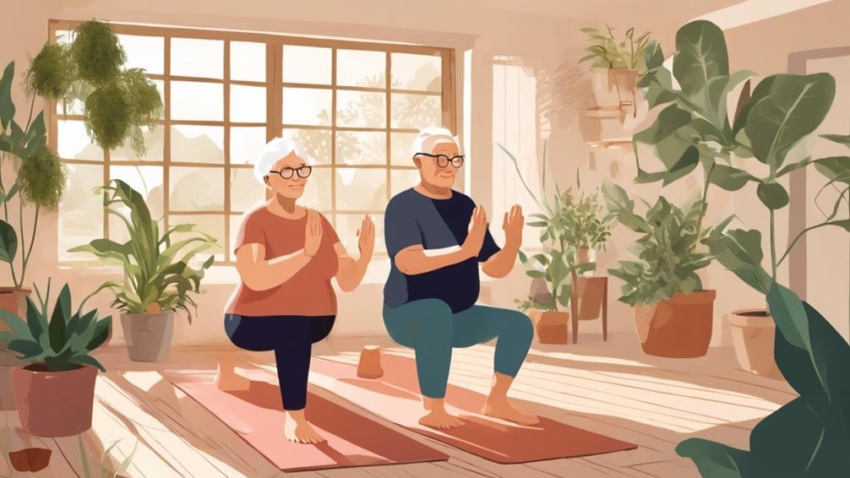
The Best Low-Impact Exercises for Seniors
Seniors can greatly benefit from low-impact exercises that alleviate chronic pain, improve cardiovascular health, and enhance overall well-being. Gentle yoga, brisk walking, and chair exercises are excellent options for improving flexibility, cardiovascular endurance, and strength. Swimming and cycling provide low-impact cardio workouts, while tai chi improves balance and reduces the risk of falls. Resistance band workouts and bodyweight exercises offer versatility and portability. Water-based exercises like water aerobics and therapy provide fun and social options. With so many options, seniors can find an exercise that suits their needs and mobility level. There's more to explore on this topic.
Gentle Yoga for Flexibility
As seniors age, their range of motion often diminishes, making gentle yoga an ideal low-impact exercise to improve flexibility and maintain independence. This low-impact exercise is perfect for seniors, as it's easy on the joints and can be modified to accommodate physical limitations. Gentle yoga incorporates breathing techniques, which help seniors relax, reduce stress, and improve their overall well-being. By incorporating gentle yoga into their morning routines, seniors can start their day feeling more energized and limber.
Gentle yoga also helps improve balance and coordination, reducing the risk of falls and injuries. This is especially important for seniors, as falls can be devastating and even life-threatening. By practicing gentle yoga, seniors can maintain their independence and continue to live life to the fullest. Additionally, gentle yoga can help alleviate symptoms of chronic conditions, such as arthritis and osteoporosis, allowing seniors to manage their condition more effectively.
Incorporating gentle yoga into a senior's daily routine can have a significant impact on their overall health and well-being. By committing to a regular practice, seniors can improve their flexibility, balance, and overall physical function. This, in turn, can lead to a better quality of life, allowing seniors to continue enjoying the activities they love.
Brisk Walking for Cardio Health
Seniors can greatly benefit from incorporating brisk walking into their exercise routine, as it offers a multitude of advantages for their overall health. Specifically, brisk walking can aid in weight loss, improve cardiovascular endurance, and boost heart health. By incorporating this low-impact activity into their daily routine, seniors can experience significant improvements in their overall well-being.
Walking for Weight Loss
Brisk walking, a low-impact exercise, torches calories and boosts cardiovascular health when done regularly. As a senior, incorporating brisk walking into your daily routine can have a significant impact on weight loss. It's essential to establish a morning motivation ritual to get you moving. Start by setting a realistic goal, such as a 30-minute brisk walk each morning. This daily routine will not only help with weight loss but also increase energy levels and improve overall health. To maximize calorie burn, aim for a moderate to brisk pace, about 3-4 miles per hour. As you get into the habit, you can gradually increase the duration and intensity of your walks. Remember to stay hydrated, wear comfortable shoes, and listen to your body to avoid any discomfort or pain. By incorporating brisk walking into your daily routine, you'll be on your way to achieving your weight loss goals and enjoying the numerous benefits that come with regular exercise.
Building Cardio Endurance
Regular brisk walking not only supports weight loss but also plays an essential role in building cardio endurance, a critical component of overall cardiovascular health. As seniors engage in brisk walking, they improve their body's ability to transport oxygen and nutrients to their muscles, increasing stamina and reducing fatigue. This low-impact exercise is easy on the joints, making it an ideal option for seniors. Additionally, brisk walking can be modified to suit individual fitness levels, allowing seniors to start slowly and gradually increase their intensity and duration. For those who prefer varied exercise routines, aerobic dancing and using cardio machines at the gym can also provide an excellent cardio workout. These exercises not only improve cardio endurance but also boost mood and overall well-being. By incorporating brisk walking and other cardio exercises into their routine, seniors can enjoy improved cardiovascular health and enhanced overall fitness. With regular practice, seniors can experience increased energy levels, better sleep quality, and a reduced risk of chronic diseases.
Improving Heart Health
By incorporating brisk walking into their daily routine, individuals can greatly reduce their risk of heart disease, as this low-impact exercise helps to strengthen the heart and improve overall cardiovascular function. Regular brisk walking can help lower blood pressure and improve overall heart health, reducing the risk of heart disease, strokes, and high blood pressure. As seniors engage in brisk walking, their heart rate increases, strengthening the heart muscle and improving circulation. This, in turn, helps to reduce blood pressure and improve overall cardiovascular health. Additionally, brisk walking can help seniors maintain a healthy weight, further reducing the risk of heart disease. By incorporating brisk walking into their daily routine, seniors can take proactive steps towards improving their heart health, reducing their risk of heart disease, and living a longer, healthier life. With its numerous benefits and low-impact nature, brisk walking is an ideal exercise for seniors looking to improve their heart health.
Chair Exercises for Strength
Sitting comfortably in a sturdy chair, seniors can engage in a variety of exercises that target different muscle groups, improving overall strength and flexibility. Chair exercises are an excellent way for seniors to stay active, especially those who may have mobility issues or find it difficult to engage in high-impact activities. These exercises can be modified to suit individual fitness levels, making them accessible to seniors with varying degrees of mobility.
Here are some chair exercises that can help improve strength and flexibility:
- Seated Stretches: Slowly tilt your head to the side, bringing your ear towards your shoulder. Hold for 10 seconds and release. Repeat on the other side. This exercise helps improve flexibility in the neck and shoulder area.
- Chair Squats: Stand up and sit down in your chair without using your hands. Repeat for 10-15 repetitions. This exercise strengthens the legs and improves balance.
- Arm Raises: Hold your arms straight out to the sides and raise them up and down for 10-15 repetitions. This exercise targets the shoulder muscles.
- Leg Lifts: Lift one leg off the floor, keeping it straight, and hold for a few seconds. Lower your leg back down without touching the floor, and repeat with the other leg. This exercise strengthens the leg muscles.
Remember to start slowly and gradually increase the number of repetitions as you build strength and endurance. It's essential to listen to your body and rest when needed. Consult with a healthcare professional before starting any new exercise program.
Swimming for Joint Relief
Seniors seeking relief from joint pain often find solace in swimming, an exercise that's gentle on joints. Swimming improves cardiovascular health, reducing the risk of heart disease, while also boosting overall fitness. Additionally, it helps reduce inflammation, a common culprit behind joint pain and stiffness.
Gentle on Joints
One low-impact exercise that's particularly effective for joint relief is swimming, which offers a buoyant, gravity-defying environment that reduces stress on joints. This makes it an ideal activity for seniors who need to ease movements while maintaining joint care. Swimming allows for gentle, flowing motions that don't put excessive strain on the joints, making it perfect for those with arthritis, osteoporosis, or other mobility issues.
Here are some benefits of swimming for joint relief:
- Reduces joint inflammation: Swimming helps reduce swelling and inflammation in the joints, providing relief from pain and stiffness.
- Improves range of motion: The buoyancy of water allows for greater flexibility and range of motion, helping to maintain joint mobility.
- Strengthening without impact: Swimming works multiple muscle groups without putting excessive stress on the joints, making it an excellent low-impact exercise.
- Relaxation and stress relief: Swimming can help reduce stress and promote relaxation, which is essential for overall well-being and joint health.
Improves Cardio Health
Swimming's aerobic benefits extend beyond joint relief, as it also improves cardiovascular health by strengthening the heart and increasing cardiovascular efficiency. Regular swimming exercises can help seniors maintain a healthy heart rate, reducing the risk of cardiovascular diseases. As seniors swim, their heart rate increases, improving aerobic capacity, which is essential for delivering oxygen and nutrients to the body's tissues. This increased aerobic capacity enables seniors to perform daily tasks with more energy and endurance. Swimming's low-impact nature also reduces the risk of injury, making it an ideal exercise for seniors. By incorporating swimming into their fitness routine, seniors can improve their overall cardiovascular health, reducing the risk of heart disease, high blood pressure, and stroke. With regular swimming, seniors can experience improved cardiovascular health, leading to a better quality of life.
Reduces Inflammation
What's the connection between swimming and reduced inflammation, and how can this benefit seniors with joint pain? Swimming is a low-impact exercise that can help reduce inflammation, which is a major contributor to joint pain. When we swim, our bodies produce anti-inflammatory cytokines, which help to reduce inflammation and alleviate pain. This is especially beneficial for seniors who may be experiencing joint pain due to conditions such as arthritis.
Here are some additional ways swimming can help reduce inflammation:
- Improves circulation: Swimming helps improve blood flow, which can reduce inflammation by removing toxins and promoting healing.
- Reduces stress: Swimming can help reduce stress, which is a known contributor to inflammation.
- Increases turmeric benefits: Curcumin, a compound found in turmeric, has potent anti-inflammatory properties. Swimming can enhance the absorption of curcumin, making it more effective.
- Boosts Omega-3 benefits: Omega-3 fatty acids, found in supplements, can help reduce inflammation. Swimming can enhance the absorption of these supplements, making them more effective.
Cycling for Low-Impact Cardio
Cycling is a low-impact cardio exercise that provides an excellent workout for seniors without putting excessive strain on their joints. This exercise is particularly beneficial for seniors who want to maintain cardiovascular health, improve muscle strength, and boost flexibility. Cycling benefits include increased cardiovascular endurance, improved circulation, and enhanced lung function. Additionally, cycling can help seniors manage chronic conditions, such as diabetes, high blood pressure, and heart disease.
When it comes to bike safety, seniors should take necessary precautions to guarantee a safe and enjoyable ride. It's essential to wear a properly fitted helmet, wear comfortable and breathable clothing, and stay hydrated throughout the ride. Seniors should also choose a bike that fits their body and riding style, and consider using accessories like mirrors and horns to enhance visibility. Furthermore, they should ride on designated bike paths or quiet roads, avoid riding at night, and follow traffic rules and signs.
Tai Chi for Balance Improvement
Tai Chi, a low-impact, slow-moving exercise, helps seniors improve their balance and reduce the risk of falls by strengthening their ankles, knees, and legs. This ancient Chinese exercise has been practiced for centuries, and its benefits for seniors are numerous. Tai Chi's slow and flowing movements improve flexibility, balance, and coordination, making it an ideal exercise for seniors who want to reduce their risk of falls.
Tai Chi benefits seniors in several ways:
- Improved balance and coordination: Tai Chi helps seniors develop better balance and coordination, reducing the risk of falls and injuries.
- Increased flexibility: Tai Chi's slow movements help increase flexibility and range of motion, making it easier for seniors to perform daily activities.
- Reduced risk of falls: By improving balance and coordination, Tai Chi reduces the risk of falls, which are a leading cause of injuries and hospitalizations among seniors.
- Stress reduction: Tai Chi's slow and meditative movements help reduce stress and anxiety, promoting overall well-being and relaxation.
Incorporating Tai Chi into their exercise routine can have a significant impact on a senior's quality of life. By improving balance, flexibility, and reducing the risk of falls, Tai Chi provides numerous benefits for seniors. It's an exercise that can be practiced at any age, and its low-impact nature makes it accessible to seniors with mobility limitations. By incorporating Tai Chi into their exercise routine, seniors can enjoy the many benefits of this ancient exercise and improve their overall health and well-being.
Resistance Band Workouts
As seniors continue to explore low-impact exercise options, resistance band workouts offer a versatile and effective way to strengthen muscles and improve flexibility without putting excessive strain on joints. These workouts are particularly beneficial for seniors, as they can be modified to accommodate individual fitness levels and mobility limitations.
One of the most appealing aspects of resistance band workouts is the variety of bands available. From light to heavy resistance, bands can be chosen to suit individual needs and goals. Additionally, bands are portable, making them an excellent option for seniors who may have limited mobility or prefer exercising at home.
In terms of workout routines, the possibilities are endless. Seniors can use resistance bands to perform exercises that target specific muscle groups, such as the legs, arms, or core. For example, bicep curls, tricep extensions, and shoulder presses can be performed using bands. Workout routines can also be designed to improve flexibility, balance, and coordination.
Resistance band workouts can be incorporated into a senior's exercise routine in a variety of ways. For example, they can be used as a standalone workout or as a supplement to other low-impact exercises, such as yoga or swimming. With the right guidance and support, seniors can reap the benefits of resistance band workouts, including improved muscle strength, flexibility, and overall health.
Bodyweight Exercises for Seniors
Three-quarters of seniors can greatly enhance their overall fitness by incorporating bodyweight exercises into their routine, which requires minimal equipment and can be done anywhere. These exercises are an excellent way for seniors to improve their overall health and fitness, and they can be modified to suit individual abilities.
Bodyweight exercises focus on strengthening the core muscles, which is essential for maintaining balance, stability, and functional mobility. A strong core also helps prevent falls and injuries, a significant concern for seniors. By incorporating bodyweight exercises into their routine, seniors can improve their overall mobility, flexibility, and balance.
Here are some examples of bodyweight exercises that seniors can try:
- Squats: Strengthens legs and improves balance
- Push-ups: Builds upper body strength and improves functional mobility
- Lunges: Targets legs and improves balance and coordination
- Planks: Strengthens core muscles and improves posture
These exercises can be done at home, in a park, or even in a chair, making them an accessible and convenient option for seniors. By incorporating bodyweight exercises into their routine, seniors can improve their overall fitness, reduce their risk of falls, and maintain their independence.
Water Aerobics for Fun Fitness
Seniors looking for a low-impact, fun, and social way to stay active can engage in water aerobics, a fantastic exercise option that's easy on the joints. This form of exercise takes place in a swimming pool, where participants perform aerobic movements, such as jogging, jumping, and dancing, while submerged in water. Water aerobics is an excellent way for seniors to improve cardiovascular health, strengthen muscles, and increase flexibility, all while reducing the risk of injury.
Water therapy, in general, offers numerous benefits for seniors, including reduced joint pain, improved balance, and enhanced mental well-being. Water aerobics, in particular, provides an added social benefit, as participants often engage in group classes, fostering a sense of community and camaraderie. Pool safety is, of course, a top priority, and seniors can rest assured that certified instructors and lifeguards are always present to guarantee a safe and enjoyable experience.
In addition to its physical benefits, water aerobics can also help alleviate symptoms of anxiety and depression, common among seniors. The buoyancy of water reduces the impact on joints, making it an ideal exercise option for those with mobility issues or chronic pain. Overall, water aerobics is an excellent way for seniors to stay active, socialize, and have fun while doing it – a true win-win!
Frequently Asked Questions
Can I Still Exercise if I Have a Chronic Health Condition?
She can still exercise with a chronic health condition, but it's essential to prioritize condition management. A healthcare professional can help her make health adjustments, ensuring a safe and effective workout plan. By working together, they'll create a personalized routine that accommodates her needs, allowing her to exercise confidently and maintain overall well-being. With the right approach, she can successfully manage her condition while staying active and healthy.
Do I Need to See a Doctor Before Starting a New Exercise Routine?
As the old adage goes, 'an ounce of prevention is worth a pound of cure.' Before diving into a new exercise routine, it's essential to get a clean bill of health. She should consult with her doctor to obtain medical clearance, especially if she has a chronic health condition. Pre-exercise screening is vital to identify potential risks and guarantee a safe workout plan. By doing so, she'll avoid any adverse effects and set herself up for success.
How Often Should I Exercise to See Noticeable Benefits?
She determines the ideal exercise frequency by aiming for workout consistency. To see noticeable benefits, she should exercise at least three times a week, with at least one day of rest in between. This allows her body to recover and adapt. Consistency is key, so she commits to a regular schedule, gradually increasing frequency and intensity as her body adapts. With patience and persistence, she'll start to notice significant improvements in her overall health and fitness.
Can I Exercise With a Friend or Family Member for Motivation?
Research suggests that exercising with a buddy can boost motivation and accountability. It's no wonder the "buddy system" has become a popular trend in fitness. Having workout pals can make exercising feel less like a chore and more like a social activity. By exercising with a friend or family member, seniors can encourage and support each other, making it more likely they'll stick to their exercise routine. This shared experience can foster a sense of camaraderie, making exercise a more enjoyable and sustainable habit.
Are There Exercises That Can Help With Chronic Pain Relief?
She explores exercises that alleviate chronic pain. Gentle stretching, in particular, has been shown to provide relief. By incorporating gentle stretching into a daily routine, individuals can experience significant pain management benefits. This low-impact approach helps reduce discomfort, promoting a better quality of life. It’s essential to consult with a healthcare professional before starting any new exercise program, especially when managing chronic pain. Additionally, engaging in gentle stretching can help improve your posture techniques, which further contributes to pain relief. Maintaining good posture not only alleviates strain on the muscles and joints but also enhances overall body alignment. Over time, individuals may find that their flexibility improves, leading to greater mobility and a reduction in chronic pain symptoms.