
The Importance of Neighborhood Safety in Home Buying
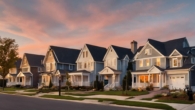
When buying a home, you're not just investing in a property, but also in the surrounding neighborhood, where safety concerns can greatly impact your quality of life. In fact, the FBI reports that homeowners who live in areas with high crime rates can see their property values plummet by up to 15%. That's why it's vital to evaluate neighborhood safety before making a purchase. You'll want to research crime rates, public safety infrastructure, and community feedback to get an accurate picture of the area. As you delve deeper, you'll uncover more essential factors to take into account, and discover how to make an informed decision that's right for you.
Understanding Neighborhood Crime Rates
When researching a potential neighborhood, you should start by digging into local crime rates to get a sense of how safe the area is. You want to feel comfortable in your new home, and knowing the crime rates can give you peace of mind. Start by checking crime statistics from local police departments, as they often provide accurate and reliable data. You can also utilize crime mapping services, which can help you visualize crime rates in specific areas. This can give you a better understanding of the neighborhood's safety.
High crime rates can have a significant impact on property values, so it’s essential to prioritize safety when evaluating potential neighborhoods. You want to invest in a home that will appreciate in value, not depreciate due to high crime rates. By understanding the local crime rates, you can make an informed decision about whether the neighborhood is right for you. Additionally, lower crime rates often correlate with better community engagement and investment in local amenities, which can further enhance property values. As such, potential homeowners should also consider seeking out emerging neighborhoods for property investment where crime is declining and there is a clear trajectory for growth. By doing so, you can position yourself in an area that not only offers safety but also promising potential for future appreciation.
Evaluating Public Safety Infrastructure
When evaluating public safety infrastructure, you'll want to assess the condition of street lighting, as well-lit streets can greatly impact the overall sense of safety in a neighborhood. You should also investigate the police presence and response times, as this can be a critical factor in emergency situations. Additionally, consider the accessibility of emergency services, such as police stations, fire departments, and hospitals, to get a thorough picture of the area's safety infrastructure.
Street Lighting Conditions
As you walk through the streets of a potential new neighborhood, take note of the street lighting conditions, as they can greatly impact your sense of security and safety. When searching for homes for sale, it's essential to evaluate the street lighting infrastructure, as it can be a vital factor in determining the quality of life in the area. Poorly lit streets can pose safety risks, especially at night, making it easier for criminal activity to occur. On the other hand, well-lit streets can deter crime and improve the overall sense of security in a community. According to the National Sex Offender registry, neighborhoods with adequate street lighting tend to have lower crime rates. By evaluating street lighting conditions, you can get a better sense of the neighborhood's safety and make a more informed decision when buying a home. Remember, a well-lit neighborhood is not only safer but also more desirable, which can impact the value of your home and your overall quality of life.
Police Presence and Response
You can further evaluate a neighborhood's safety by appraising the police presence and response in the area, which can greatly impact your sense of security and well-being. Take a closer look at the police stations in the area, their proximity to your potential home, and the visibility of patrol cars. This will give you an idea of the public safety infrastructure in place. Additionally, research the average emergency response times for police, fire, and medical assistance. Quick response times can be a significant factor in ensuring your safety.
It's also essential to check if there are neighborhood watch programs or community policing initiatives in place. These programs can foster a sense of community and encourage residents to look out for one another, ultimately enhancing security and deterring crime. Assess the coordination between local law enforcement agencies and community residents in ensuring a safe environment. By evaluating these factors, you'll get a better understanding of the police presence and response in the area, giving you peace of mind and helping you make an informed decision about your potential new home.
Emergency Services Accessibility
As you evaluate a neighborhood's safety, consider the accessibility of emergency services like police stations, fire departments, and hospitals. Proximity to these services is crucial in evaluating the public safety infrastructure of a neighborhood, as it greatly impacts response times in crisis situations.
When emergency services are nearby, you can rest assured that help will arrive quickly in case of an emergency. This is especially important for families with young children, elderly, or people with medical conditions.
Here are some benefits of having emergency services nearby:
- Quick response times from emergency services can enhance overall safety and security in the area
- Access to well-equipped emergency services can provide peace of mind for residents in times of crisis
- Neighborhoods with efficient emergency services tend to have lower crime rates and higher property values
- Having emergency services nearby can be a lifesaver in critical situations
Assessing Community Feedback and Reviews
When researching a neighborhood's safety, gathering feedback from those who know it best – the residents themselves – can provide invaluable insights. You can join neighborhood forums to gather firsthand accounts and feedback from current residents about safety. These online communities are a treasure trove of information, where you can ask questions and get honest opinions from people who live in the area.
Reading through online community reviews is another way to understand residents' perspectives on neighborhood safety. Websites like Nextdoor or Yelp can give you a sense of the community's concerns and praises. You can also seek recommendations from friends or acquaintances who have insights into the safety of the area. They may be able to share their personal experiences or point you in the right direction.
Introduce yourself to your potential neighbors and ask them about their experiences with neighborhood safety. They can provide local insights and opinions on the area that you won't find online. Additionally, utilize online resources and platforms to access free information about crime rates and safety levels in the community. By gathering community feedback and reviews, you'll get a well-rounded understanding of the neighborhood's safety, helping you make an informed decision when buying a home.
Researching Sex Offender Registries Online
When researching neighborhood safety, you'll want to investigate sex offender registries online to get a thorough understanding of the area. You'll need to search online databases, check neighborhood maps, and review local statistics to get a detailed understanding of the community. By taking these steps, you'll be better equipped to make an informed decision about your potential new neighborhood.
Search Online Databases
You can access national and state sex offender registries online to get a better understanding of the neighborhood's safety profile. As a homebuyer, it's crucial to thoroughly research the area to guarantee you're making an informed decision. Online databases provide easy access to information on sex offenders residing in or near the neighborhood of interest.
Here are some benefits of searching online databases:
- *Access detailed data on individuals convicted of sex crimes*
- *Get information on registered offenders in a specific area*
- *Assess the safety of a potential neighborhood*
- *Make well-informed decisions about neighborhood safety*
Check Neighborhood Maps
By checking neighborhood maps, you can pinpoint the exact locations of registered sex offenders in the area and get a better sense of the neighborhood's safety profile. This is important in understanding the safety of the area you're considering calling home. Online tools provide access to national and state-level sex offender registries, giving you a thorough view of the neighborhood's safety landscape. By utilizing crime mapping services, you can assess the prevalence of sex offenders in the neighborhood and get a better understanding of the area's overall safety. Understanding sex offender data can be vital when evaluating neighborhood safety, and checking neighborhood maps is an essential step in this process. By doing your research, you'll be able to make an informed decision about the neighborhood that's right for you and your family. Remember, your safety and well-being depend on it.
Review Local Statistics
Searching online for sex offender registries is a logical next step in evaluating neighborhood safety, as it provides a more detailed understanding of the area's risk profile. As you consider a new home, it's crucial to review local statistics to make sure you're making an informed decision.
When researching sex offender registries online, you'll gain access to valuable insights that can greatly impact your home buying decision. Here are some key points to keep in mind:
- Check national and state sex offender registries for information on registered offenders in the neighborhood.
- Utilize crime mapping services to visualize the locations of sex offenders in proximity to the desired property.
- Understand the presence of sex offenders can influence the decision-making process when buying a home.
- Accessing sex offender registries aids in evaluating the safety and security of a potential neighborhood.
Identifying Local Law Enforcement Presence
When evaluating neighborhood safety, an important aspect to examine is the local law enforcement presence, which can greatly impact the overall sense of security in the community. You want to feel confident that help is readily available in case of an emergency. To gauge the effectiveness of local law enforcement, start by evaluating the number of police stations in the area and the number of officers per capita. A higher police presence can deter criminal activity and provide a sense of security.
Another significant factor is the response time of law enforcement to incidents in the area. You'll want to know how quickly officers respond to emergency calls and whether they're proactive in preventing crime. Look for neighborhoods with a strong neighborhood watch program, which can foster a sense of community and encourage residents to look out for one another. Additionally, research if the local police department has implemented any community policing initiatives, which can help build trust between law enforcement and residents.
Analyzing Neighborhood Demographics and Trends
As you evaluate the local law enforcement presence, you'll also want to examine the demographics and trends of the neighborhood to gain a more thorough understanding of the community. Neighborhood demographics, such as age, income levels, and family size, will give you insight into the community's makeup. Additionally, analyzing trends in population growth, housing prices, and crime rates will help you gauge the neighborhood's stability and potential for growth.
Some key factors to ponder when analyzing neighborhood demographics and trends include:
- Education levels and employment opportunities, which can impact the community's vibrancy and inclusivity
- Changes in property values, development projects, and local amenities, which can determine the neighborhood's desirability
- Crime trends, safety measures, and community engagement, which can measure the neighborhood's safety and security levels
- Population growth, which can impact the demand for housing and local services
Weighing Personal Safety Concerns and Tolerance
Evaluating a neighborhood's safety requires you to confront your personal fears and tolerances, acknowledging what specific safety concerns keep you up at night. As you weigh your personal safety concerns, consider what types of crime risks you're willing to tolerate. Are you comfortable with a neighborhood that has a moderate crime rate, or do you need an area with virtually no crime? Be honest with yourself, as this self-reflection will guide your home buying decision.
When appraising a neighborhood's safety, evaluate how its safety measures align with your comfort level and peace of mind. Do you prioritize well-lit streets, neighborhood watch programs, and proximity to emergency services? These factors can have a significant impact on your sense of security. Understanding your safety preferences will help you find a neighborhood that aligns with your comfort and security needs.
As you explore different neighborhoods, remember that your personal safety concerns are unique to you. Don't compare your concerns to others; instead, focus on what makes you feel secure. By doing so, you'll be able to find a neighborhood that not only meets your safety needs but also provides a sense of belonging. Neighborhood safety is a critical aspect of home buying, and by weighing your personal safety concerns and tolerance, you'll make an informed decision that prioritizes your well-being.
Frequently Asked Questions
Why Is Safety Important in a Home?
Imagine living in a neighborhood where you're constantly on edge, versus one where you feel completely at ease. That's the difference safety makes! When you prioritize safety in your home, you're securing peace of mind, ensuring your family's wellbeing, and protecting your personal freedom. With emotional security, you'll feel a sense of belonging, freedom to be yourself, and the comfort of knowing you're exactly where you're meant to be.
How Does Crime Affect the Housing Market?
As you consider buying a home, you'll want to know how crime affects the housing market. High crime rates can decrease property values by up to 20%, making it harder to sell and impacting resale value. This, in turn, influences market trends, leading to longer selling times and lower prices. The economic impact is clear: crime drives away potential buyers, affecting local property values and your potential return on investment.
Why Is It Important to Live in a Safe Neighborhood?
As you step into your dream home, you crave a sense of belonging. You yearn for a haven where you can breathe easy, where your family can thrive. Living in a safe neighborhood is key to accessing this tranquility. With community engagement, police presence, and street lighting, you'll feel protected. Neighborhood watch programs foster a sense of unity, making your home a sanctuary. You deserve to live without fear, surrounded by people who look out for one another.
What Are the Three Most Important Things for a Good Neighborhood?
When searching for a great neighborhood, you're looking for a sense of community and peace of mind. For you, the top three essentials are quality schools for a strong education, local parks for relaxation and recreation, and community events that bring people together. Add to that well-maintained street lighting, and you'll feel safe and connected to your neighbors. With these elements in place, you'll find a neighborhood that truly feels like home.