
The Most Exciting Developments in Renewable Energy Tech
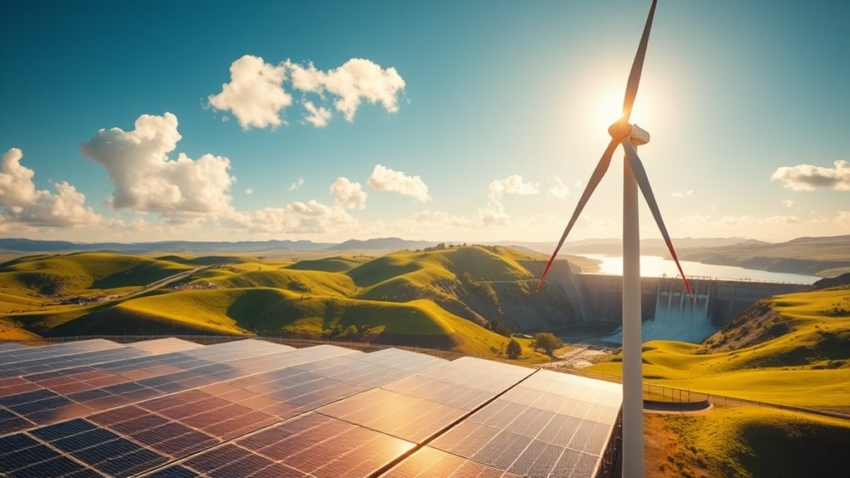
Recent advancements in renewable energy technology are reshaping global energy dynamics. Innovations like perovskite solar cells and bifacial panels are enhancing solar electricity efficiency, while wind energy has seen improved turbine designs and floating installations for increased capacity. Breakthroughs in energy storage, such as solid-state batteries and hydrogen storage, are essential for balancing supply from renewable sources. Moreover, smart grids are optimizing energy distribution and consumption. Emerging solutions like green hydrogen and waste-to-energy technologies are paving the way for a sustainable future. Explore further to uncover more about these transformative developments in the renewable energy sector.
Solar Panel Innovations
As the demand for sustainable energy sources continues to rise, innovations in solar panel technology are paving the way for more efficient and accessible solar solutions. The relentless pursuit of improved solar efficiency has driven scientists and engineers to explore advanced photovoltaic materials, leading to significant breakthroughs in the industry. These materials not only capture sunlight more effectively but also convert it into usable energy with unprecedented efficiency rates.
One of the most promising developments is the emergence of perovskite solar cells. These next-generation photovoltaic materials boast a remarkable ability to absorb a broader spectrum of sunlight, greatly improving energy conversion rates. Their lightweight and flexible nature allows for innovative applications, including integration into building materials and portable energy solutions, thereby broadening the accessibility of solar energy to diverse environments.
Moreover, advancements in bifacial solar panels, which collect sunlight from both sides, have further improved overall energy output. This technology capitalizes on reflected light, optimizing energy capture and ensuring that installations yield maximum benefits. Furthermore, enhancements in solar panel manufacturing processes have lowered costs while increasing durability, making solar solutions more appealing to a broader audience.
As these innovations continue to unfold, the solar energy terrain is not only becoming more efficient but also more adaptable. This evolution empowers individuals, businesses, and governments to embrace renewable energy solutions, driving the shift to a more sustainable future. Emphasizing the importance of solar efficiency and state-of-the-art photovoltaic materials will be vital in meeting the escalating global energy demands.
Advancements in Wind Energy
Recent advancements in wind energy are transforming the terrain of renewable energy production. Innovative turbine designs and the expansion of offshore wind farms are enhancing efficiency and output, as emerging energy storage solutions are addressing the intermittency issues associated with wind energy. Together, these developments are paving the way for a more sustainable and reliable energy future.
Innovative Turbine Designs
Numerous innovative turbine designs are reshaping the terrain of wind energy, driving efficiency and sustainability to new heights. The latest advancements utilize state-of-the-art turbine materials and engineering techniques to improve turbine efficiency while minimizing environmental impact. These developments are essential in meeting the increasing demand for renewable energy.
One notable trend is the use of lighter, stronger materials such as carbon fiber and composites, allowing for larger rotor diameters and higher energy capture. Furthermore, designs like vertical-axis turbines are gaining traction because of their ability to exploit wind from any direction, further optimizing energy output.
The following table summarizes key innovative turbine designs and their benefits:
| Turbine Design | Key Benefits |
|---|---|
| Horizontal-axis turbines | High efficiency, well-established |
| Vertical-axis turbines | Omni-directional, lower noise levels |
| Offshore wind turbines | Increased energy capture, larger scale |
| Small-scale turbines | Suitable for localized energy needs |
| Floating wind turbines | Access to deeper waters, improved stability |
As the wind energy sector evolves, these innovative turbine designs promise to deliver unprecedented performance, ensuring that the future of renewable energy is both potent and sustainable.
Offshore Wind Farms
Offshore wind farms are revolutionizing the renewable energy landscape by utilizing stronger and more consistent wind resources available over the open sea. These state-of-the-art installations capture the immense energy of ocean winds to generate substantial electricity, providing a reliable alternative to traditional fossil fuels. The advent of floating turbines has marked a significant advancement, allowing for the deployment of wind energy systems in deeper waters where winds are even more potent.
These floating turbines not only improve energy production but also minimize the environmental impacts typically associated with onshore wind farms. By locating turbines offshore, we can reduce land use conflicts and preserve natural habitats, while concurrently generating clean energy. Additionally, advancements in turbine design and technology have led to increased efficiency and reduced costs, making offshore wind a competitive player in the global energy market.
As nations endeavor to meet ambitious renewable energy targets, offshore wind farms represent a formidable solution—transforming vast ocean expanses into significant sources of energy. This technology not only promises to energize millions of homes but also positions our society on a path toward a sustainable future, free from the constraints of carbon emissions and environmental degradation.
Energy Storage Solutions
As the deployment of offshore wind farms expands, the need for effective energy storage solutions becomes increasingly apparent. Energy storage is vital for optimizing the use of wind energy, ensuring reliability and stability within the grid. Advancements in this area not only improve energy efficiency but also pave the way for sustainable practices, such as battery recycling, which minimizes waste and maximizes resource utilization.
Key developments in energy storage solutions include:
- Lithium-Ion Batteries: Offering high energy density and rapid response times, they are critical for balancing supply and demand.
- Flow Batteries: With longer lifespans and scalability, flow batteries support large-scale energy storage for wind energy integration.
- Compressed Air Energy Storage (CAES): This technology stores energy by compressing air in underground caverns, releasing it to generate electricity when needed.
- Hydrogen Storage: Converting excess energy into hydrogen provides a flexible storage option, which can be utilized in fuel cells or converted back to electricity.
These innovations represent a significant leap toward a greener future, empowering energy systems to exploit the full potential of wind energy while promoting sustainability through efficient resource management.
Breakthroughs in Energy Storage
Recent innovations in solid-state battery technology promise to improve the efficiency and safety of energy storage systems. Meanwhile, advancements in lithium-ion technology are enhancing energy density and reducing charging times, making these batteries more viable for widespread use. Together, these breakthroughs are pivotal in addressing the growing demand for reliable renewable energy solutions.
Solid-State Battery Innovations
A notable shift in energy storage technology is underway with the advent of solid-state batteries, which promise to transform the electric vehicle and renewable energy sectors. These innovative batteries utilize solid-state materials, replacing the conventional liquid electrolyte with a solid electrolyte, thereby enhancing performance and safety.
Key advantages of solid-state battery innovations include:
- Increased Energy Density: Solid-state batteries can store more energy in a smaller volume, making them ideal for electric vehicles.
- Enhanced Battery Longevity: The use of solid electrolytes considerably reduces wear and tear, leading to longer-lasting batteries.
- Improved Safety: Solid-state designs minimize risks associated with leakage and flammability, addressing critical safety concerns.
- Faster Charging Times: These batteries can support quicker charge cycles without compromising longevity or performance.
As research and development in solid-state technology advance, the potential for widespread adoption grows. This revolution in energy storage not only promises greater efficiency but also aligns with the global push toward sustainable and renewable energy solutions. The energy environment is on the brink of a profound transformation, driven by the capabilities of solid-state batteries.
Enhanced Lithium-Ion Technology
Even though solid-state batteries represent a significant advancement in energy storage technology, improved lithium-ion technology continues to play a crucial role in the evolution of energy systems. Recent breakthroughs have optimized lithium-ion batteries, improving performance metrics such as energy density, charging speed, and overall durability. These improvements not just increase the energy output but also extend the battery lifespan, making them more suitable for diverse applications, from electric vehicles to grid storage solutions.
A notable aspect of this advancement is the increased focus on lithium recycling. As the demand for efficient energy storage grows, the sustainable management of lithium resources becomes critical. Innovative recycling methods are being developed to reclaim lithium and other valuable materials from spent batteries, reducing environmental impact and ensuring a circular economy in battery production.
The synergy of improved lithium-ion technology and effective lithium recycling not just addresses energy needs but also aligns with global sustainability goals. As we endeavor for a cleaner energy future, these advancements promise to deliver the energy and resilience required for a robust energy infrastructure, ensuring that improved lithium-ion technology remains a cornerstone of energy storage innovation.
Green Hydrogen Technologies
As the global demand for sustainable energy solutions intensifies, green hydrogen technologies have emerged as a vital component in the shift to a low-carbon economy. These innovations utilize renewable energy sources to produce hydrogen, enabling a cleaner and more versatile fuel option. In this framework, green hydrogen production stands out as a game-changer, offering a sustainable alternative to fossil fuels and driving the change towards decarbonization.
The significance of green hydrogen technologies can be summarized in the following key points:
- Decarbonization Potential: Green hydrogen serves as a clean energy carrier, providing a means to store and transport energy without greenhouse gas emissions.
- Versatility: Hydrogen fuel cells can be deployed across various sectors, including transportation, industrial processes, and energy generation, making it an adaptable solution for multiple energy needs.
- Energy Storage: Green hydrogen acts as an effective energy storage medium, allowing for the balancing of supply and demand, particularly from intermittent renewable sources like wind and solar.
- Economic Growth: The development of green hydrogen technologies is poised to create new industries and job opportunities, driving investment and innovation in the renewable energy sector.
As nations endeavor to meet ambitious climate goals, the integration of green hydrogen into the energy mix will be essential. It provides a pathway to a sustainable energy future while placing countries at the forefront of the emerging hydrogen economy. The time for action is now.
Smart Grids and Energy Management
The integration of green hydrogen technologies into the energy environment highlights the need for advanced energy management solutions, such as smart grids. These systems facilitate an efficient and responsive energy terrain, optimizing the use of renewable resources during the enhancement of grid reliability. By employing smart meter integration, utilities gain real-time insights into energy consumption patterns, enabling them to adjust supply dynamically in accordance with demand.
Smart grids are designed to respond to the fluctuating nature of renewable energy sources, such as solar and wind, which often produce electricity based on environmental conditions rather than consistent demand. Through sophisticated demand response strategies, utilities can incentivize consumers to modify their energy usage during peak periods, thereby reducing strain on the grid and lowering costs for all stakeholders involved. This proactive approach not just empowers consumers but equally promotes a culture of energy efficiency.
Moreover, the intelligent communication capabilities inherent in smart grids allow for seamless interaction between various energy producers and consumers, including residential, commercial, and industrial entities. This interconnectedness is pivotal in utilizing the full potential of diverse energy sources, including green hydrogen. As energy management evolves, smart grids will become indispensable in addressing challenges such as energy storage and distribution, ultimately leading to a more resilient and sustainable energy future.
Emerging Bioenergy Solutions
Though traditional bioenergy sources have played a significant role in the renewable energy sector, emerging bioenergy solutions are poised to transform this industry by utilizing advanced technologies and innovative approaches. These state-of-the-art methods not only improve efficiency but also broaden the scope of bioenergy applications, making it a formidable player in the quest for sustainable energy.
Here are four notable trends shaping the future of bioenergy:
- Algae Biofuels: Utilizing algae as a feedstock for biofuels presents a robust solution because of its rapid growth rate and high lipid content. Algae can produce oils for biodiesel and bioethanol, offering a sustainable alternative to fossil fuels without competing for arable land.
- Waste to Energy Technologies: Converting organic waste into energy represents a dual advantage—reducing landfill waste while generating renewable energy. Advanced anaerobic digestion processes convert food and agricultural waste into biogas, which can be used for electricity generation or as a natural gas substitute.
- Cellulosic Ethanol Production: Innovations in enzymatic treatment and fermentation technologies are revealing the potential of non-food biomass, such as agricultural residues and forest waste, to produce cellulosic ethanol, driving a new wave of biofuel production.
- Integrated Biorefineries: These facilities maximize resource efficiency by converting biomass into a variety of valuable products, including fuels, chemicals, and materials, thereby diversifying revenue streams and reducing environmental impact.
As these emerging bioenergy solutions gain momentum, they promise to redefine the dynamics of renewable energy and drive a more sustainable future.
Frequently Asked Questions
How Do Renewable Energy Technologies Impact Job Creation?
Renewable energy technologies greatly impact the job market by creating diverse employment opportunities across various sectors. As the demand for clean energy solutions grows, so does the necessity for skilled professionals in areas such as engineering, installation, and maintenance. This shift encourages substantial skill development, enabling workers to adapt to evolving industry needs. In the end, the integration of renewable technologies not just boosts economic growth but also empowers individuals through improved career prospects and training initiatives.
What Are the Environmental Benefits of Renewable Energy?
Renewable energy technologies serve as the lifeblood of a sustainable future, reducing our carbon footprint and nurturing the planet's ecosystems. By utilizing natural resources such as sunlight and wind, these technologies not only alleviate climate change but additionally promote ecosystem preservation. This shift empowers industries to innovate during encouraging economic resilience, ensuring that both the environment and society flourish. In the end, embracing renewable energy is akin to planting seeds for a healthier tomorrow.
How Do Government Policies Influence Renewable Energy Advancements?
Government policies markedly influence renewable energy advancements through the implementation of policy incentives and the establishment of robust regulatory frameworks. By providing financial support, tax breaks, and grants, governments can stimulate private investments in renewable technologies. Furthermore, effective regulatory frameworks guarantee that the shift to renewable energy is both sustainable and economically viable. These measures not just drive innovation but also improve the competitiveness of the renewable energy sector in the global market.
What Are the Costs Associated With Renewable Energy Installations?
Envision planting a seed; the initial investment may seem intimidating, but with the right care, it flourishes. Similarly, installation costs for renewable energy systems can be significant, often ranging from $10,000 to $30,000 for residential solar panels. Nevertheless, various financing options, such as government incentives and loans, can alleviate this burden, making sustainability accessible. In the end, comprehending these financial dynamics empowers individuals and organizations to invest in a greener future.
How Can Individuals Contribute to Renewable Energy Adoption?
Individuals can considerably contribute to renewable energy adoption through active participation in community initiatives and making personal investments. Engaging in local projects, such as solar co-ops or wind energy programs, promotes collective action and amplifies impact. Furthermore, investing in renewable energy technologies, such as solar panels for personal use, not merely improves energy independence but likewise demonstrates a commitment to sustainability. These actions empower individuals to influence the broader shift to a cleaner energy future.