
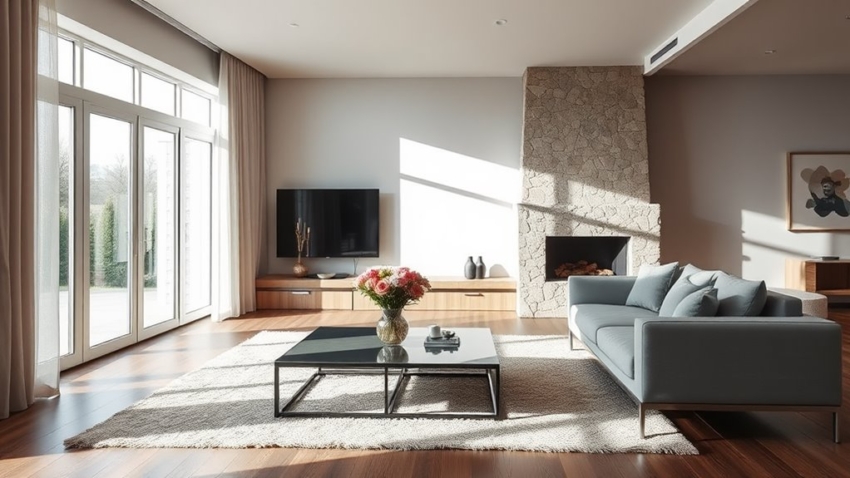
The Role of Staging in Attracting Buyers to Your Home
Proper home staging plays a vital role in attracting potential buyers and setting a property apart from competitors in a crowded real estate market. By creating a neutral environment, decluttering, and depersonalizing, home staging improves the property's appeal, allowing buyers to envision themselves living in the space. Effective staging strategies, such as highlighting key features, minimizing flaws, and using neutral colors and lighting, evoke emotional connections and drive offers and sales. As staging can greatly impact the sale of a home, comprehending its role is fundamental for sellers looking to maximize their property's potential and attract multiple offers.
Staging vs. Decorating: What's the Difference
What sets staging apart from decorating, and why is this distinction essential when selling a home? The answer lies in the purpose and approach of each. Decorating is a personal expression of one's taste and style, often driven by emotional attachment to specific items or aesthetics. Conversely, staging is a deliberate and strategic process aimed at showcasing a property's best features to appeal to the widest range of potential buyers.
Staging techniques are designed to create a neutral, yet inviting atmosphere that allows buyers to envision themselves living in the space. This involves highlighting the home's architectural features, emphasizing natural light, and creating a sense of flow and functionality. Effective staging likewise takes into account the target audience and local market trends to maximize appeal.
Conversely, decorating styles are often highly personalized and may not resonate with potential buyers. Cluttered, overly stylized, or bold decorating choices can distract from the home's inherent value and deter buyers. By distinguishing between staging and decorating, homeowners can create an environment that showcases their property's full potential, increasing its appeal and ultimately driving sales. By adopting a strategic staging approach, homeowners can regain control over the selling process and attract more buyers to their property.
Creating an Emotional Connection
When staging a home, creating an emotional connection with potential buyers is essential to making a sale. This can be achieved by highlighting key features that showcase the property's best attributes, making it easy for buyers to envision themselves living there. By creating a lifestyle that resonates with the target audience, sellers can inspire a sense of belonging and attachment, eventually driving offers and sales.
Highlight Key Features
Many homeowners overlook the importance of highlighting key features in their home staging, but it's a crucial step in creating an emotional connection with potential buyers. Highlighting features involves strategically showcasing the best aspects of a property to evoke an emotional response from buyers. This can be achieved by accentuating unique architectural details, high-end finishes, and modern amenities. By doing so, homeowners can create a sense of excitement and desire in potential buyers, making them more likely to envision themselves living in the property.
Effective highlighting of key features additionally involves showcasing benefits rather than just listing features. For instance, instead of simply pointing out a large backyard, homeowners can emphasize the benefits it provides, such as a perfect spot for outdoor entertaining or a safe space for children to play. By focusing on the benefits, homeowners can create an emotional connection with buyers and differentiate their property from others on the market. By highlighting key features and showcasing benefits, homeowners can increase the appeal of their property and attract more buyers.
Create a Lifestyle
By highlighting the home's potential for aspirational living, homeowners can tap into buyers' desires for a better life. This can be achieved by incorporating decorative elements that evoke a sense of warmth, comfort, and sophistication. By creating a lifestyle that resonates with buyers, homeowners can increase the chances of attracting multiple offers and selling their home quickly and for top dollar.
Highlighting Your Home's Best Features
Highlighting your home's best features is an important aspect of staging, as it allows potential buyers to visualize themselves living in the space. To achieve this, it is vital to accentuate key rooms, such as the kitchen and master bedroom, which are often top priorities for buyers. Furthermore, showcasing hidden assets, like a spacious attic or a beautifully designed backyard, can likewise help set your home apart from the competition.
Accentuate Key Rooms
The heart of every home lies in its key rooms, where memories are made and daily life unfolds. These spaces are where buyers form emotional connections, envisioning themselves in your home. Consequently, it's vital to accentuate these areas to maximize appeal.
The living room, often considered the epicenter of family life, should be showcased in its best light. Remove any clutter, and arrange furniture to create a sense of flow and conversation. Add decorative pieces that highlight the room's best features, such as a stunning fireplace or expansive windows.
The kitchen, often cited as a top priority for buyers, should exude appeal through cleanliness, organization, and strategic accessorizing. Make certain countertops are clear, and appliances are sparkling. Add a few well-placed decorative items, such as a vase or bowl of fresh fruit, to create a warm and inviting atmosphere. By focusing on these key rooms, you'll create a lasting impression on potential buyers, making them more likely to envision themselves making memories in your home.
Showcase Hidden Assets
Often overlooked, yet equally as important as key rooms, are the hidden assets that set your home apart from the rest. These hidden features can be the deciding factor for potential buyers, and showcasing them effectively can make a significant difference in attracting the right audience. By highlighting these unique aspects, you can demonstrate your home's full potential and create an emotional connection with buyers.
Consider the often-underutilized spaces in your home, such as a beautifully designed backyard, a spacious attic, or a cleverly crafted storage area. By drawing attention to these areas, you can create a sense of discovery and excitement among potential buyers. Effective staging can likewise help to downplay any limitations or flaws, instead focusing on the hidden assets that make your home truly special. By showcasing potential, you can inspire buyers to envision themselves living in the space, eventually driving interest and increasing the likelihood of a sale.
Minimizing Flaws and Imperfections
Perfection is an unattainable ideal, but it's the standard by which buyers judge a property. As a homeowner, it's crucial to acknowledge that every property has its flaws and imperfections, no matter how well-maintained it may be. The key to attracting buyers lies in minimizing these flaws and imperfections, making your property appear as close to perfect as possible.
Effective staging involves flaw reduction and imperfection concealment strategies to create a positive first impression. Start by identifying the most noticeable imperfections, such as cracks in the walls, worn-out flooring, or outdated fixtures. Addressing these issues through repairs, replacements, or cosmetic touch-ups can make a considerable difference. In addition, decluttering and depersonalizing your space can help shift the buyer's focus away from imperfections and onto the property's best features.
Imperfection concealment can be achieved through clever staging techniques, such as strategically placing furniture or decor to draw attention away from flaws. For instance, a well-placed area rug can distract from worn-out flooring, while a decorative screen can conceal an unsightly view. By implementing these strategies, you can create an illusion of perfection, making your property more appealing to potential buyers. By taking control of flaw reduction and imperfection concealment, you can greatly increase the chances of selling your property quickly and for the best possible price.
The Power of Neutral Colors
A well-curated color palette is vital for creating an inviting atmosphere in a property, and neutral colors play a starring role in this endeavor. A neutral palette impact extends beyond aesthetics, as it additionally influences the emotional response of potential buyers. According to color psychology, neutral colors evoke feelings of calmness, serenity, and relaxation, making buyers more likely to envision themselves living in the space.
When selecting a neutral color scheme, it's important to take into account the natural lighting, architectural style, and surrounding environment. A monochromatic scheme can create a sense of cohesion, whereas a subtle contrast can add visual interest. Beige, cream, and gray are popular neutral options, but it's important to avoid blandness by incorporating textures, patterns, and accents.
Neutral colors also provide a versatile backdrop for showcasing furniture, decor, and architectural features. By minimizing bold colors and patterns, buyers can focus on the property's best attributes. Furthermore, a neutral palette allows buyers to project their personal style onto the space, increasing the likelihood of an emotional connection and, ultimately, a sale.
Lighting: The Secret to Ambiance
Proper lighting can improve a space from ordinary to extraordinary, transforming a mere collection of rooms into a warm and inviting home. By incorporating the right lighting elements, you can create an atmosphere that not only showcases your home's best features but additionally evokes emotions and moods. Ambient lighting, in particular, plays a vital role in mood improvement, making potential buyers feel comfortable and relaxed.
To achieve this, it is important to strike a balance between task lighting, accent lighting, and ambient lighting. Here's a breakdown of each type and its corresponding benefits:
| Lighting Type | Purpose | Benefits |
|---|---|---|
| Task Lighting | Provides focused light for specific tasks, e.g., reading or cooking | Illuminates functional areas, making them more usable |
| Accent Lighting | Highlights specific features or objects, e.g., artwork or architectural details | Draws attention to desirable features, creating visual interest |
| Ambient Lighting | Creates a general, overall glow, e.g., table lamps or floor lamps | Establishes a warm and inviting atmosphere, promoting a sense of comfort |
Decluttering and Depersonalizing
As homeowners prepare to showcase their properties to potential buyers, it's critical to evaluate the visual impact of clutter and personal touches. Clutter reduction is a fundamental step in staging a home, as it can greatly influence a buyer's perception of the property. A cluttered space can create a sense of chaos, making it difficult for buyers to visualize themselves living in the home. By removing unnecessary items, homeowners can create a sense of openness and flow, allowing buyers to focus on the home's best features.
Depersonalizing the space is likewise important in attracting buyers. Personal items, such as family photos and sentimental trinkets, can distract from the home's features and make it challenging for buyers to envision themselves living in the space. By removing these items, homeowners can create a neutral environment that allows buyers to project their own tastes and preferences. This, in turn, can increase the chances of attracting multiple offers and selling the home quickly.
Ultimately, decluttering and depersonalizing are fundamental components of home staging. By creating a clean, neutral, and clutter-free environment, homeowners can appeal to the widest range of buyers and increase their chances of a successful sale. By taking control of the staging process, homeowners can guarantee their property stands out in a competitive market and attracts the attention of potential buyers.
Room by Room Staging Strategies
As you declutter and depersonalize to set the stage for a successful sale, it is vital to focus on individual rooms to create a cohesive and inviting atmosphere. This room-by-room approach allows you to tailor your staging strategy to the unique characteristics and functions of each space, eventually appealing to potential buyers.
In the living room, for instance, create a sense of flow by arranging furniture in a way that encourages conversation and relaxation. Select a few statement pieces, such as a bold area rug or a show-stopping chandelier, to anchor the space and draw the eye. In the dining room, emphasize the functionality of the space by setting the table with a tasteful centerpiece and stylish dinnerware.
In bedrooms, prioritize serenity and tranquility by selecting calming colors and plush textiles. Make certain that closets are organized and clutter-free, and consider investing in new linens and towels to create a sense of freshness and cleanliness. Throughout the home, maintain color coordination by selecting a palette that complements the architecture and natural surroundings. By attending to these details, you can craft a cohesive and appealing atmosphere that resonates with potential buyers and sets your home apart from the competition.
Measuring the Success of Staging
- Buyer Feedback: Collect feedback from potential buyers, either through surveys or direct conversations, to understand what they like or dislike about the property. This feedback can help you identify areas for improvement and make necessary adjustments.
- Viewing-to-Offers Ratio: Track the number of viewings compared to the number of offers received. A higher ratio indicates that your staging efforts are effective in generating interest and encouraging buyers to make an offer.
- Days on Market: Monitor the average number of days your property has been on the market. A decrease in days on market can be a sign that your staging efforts are attracting buyers and driving sales.
- Sale-to-List Price Ratio: Compare the final sale price to the original list price. A higher ratio indicates that your staging efforts have helped to increase the property's value in the eyes of buyers.
Frequently Asked Questions
Can I Stage My Home Myself or Do I Need a Professional?
Although it's possible to stage your home yourself, a professional stager can provide valuable expertise. If you decide to DIY, research DIY staging tips and avoid common staging mistakes, such as over-accessorizing or neglecting cluttered areas. Nevertheless, a professional stager can offer an objective perspective, maximizing your home's appeal and potential sale price. Consider your time, skill level, and budget before deciding whether to take on staging solo or seek expert guidance.
How Much Does Home Staging Typically Cost?
The cost of home staging varies depending on the scope of the project, location, and professional expertise. On average, homeowners can expect to invest between $500 and $5,000 for staging services. Although DIY staging is an option, partnering with a professional can yield significant staging benefits, such as expertly applied staging techniques that highlight a home's best features and appeal to potential buyers.
Will Staging My Home Guarantee a Sale?
Although staging can greatly improve buyer perception, it is vital to understand that it does not guarantee a sale. Staging effectiveness depends on various factors, including the property's condition, pricing, and market conditions. A well-staged home can increase the likelihood of attracting potential buyers, but it is important to set realistic expectations. Focus on presenting your property in its best light, and combine staging with a competitive price and strategic marketing to maximize your chances of a successful sale.
Can I Leave My Furniture in the Home During Staging?
Envision a masterfully composed symphony, where each instrument plays in harmony. Similarly, a well-staged home is an orchestra of carefully curated elements. Now, consider leaving your furniture in the home during staging. It is crucial to strike a balance between showcasing your personal belongings and creating a neutral canvas for potential buyers. A skilled stager will artfully arrange your furniture to create a sense of flow, highlighting the home's best features as it minimizes distractions.
Do I Need to Stage Every Room in My Home?
When deciding which rooms to stage, prioritize those that hold the most emotional appeal for potential buyers, such as the living room, kitchen, and master bedroom. Room prioritization is key, as it allows you to maximize staging benefits during minimizing effort and expense. Focus on showcasing the most attractive features of your home, and consider leaving secondary rooms, like home offices or guest rooms, in a neutral state to allow buyers to envision their own use.