
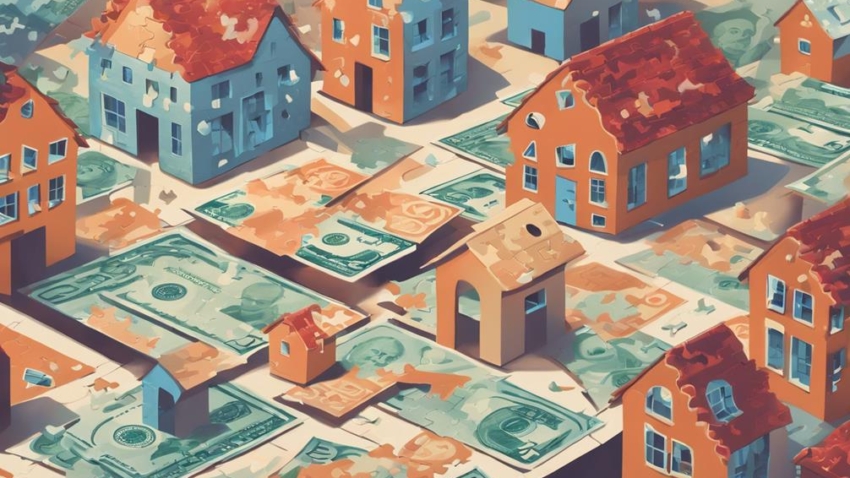
Creative Ways to Finance Your Home Purchase
You have more financing options than you think when it comes to buying a home, and with a little creativity, you can overcome common obstacles like limited savings or imperfect credit. Consider alternative financing options like seller financing or hard money loans, or explore government-assisted financing like FHA loans or VA loans. You can even partner with investors or use crowdfunding platforms to raise funds. By leveraging your equity and assets, you can access more funds and explore unconventional loan options. With a little resourcefulness, you can find the financing solution that's right for you – and there's more to discover.
Alternative Financing Options
When exploring alternative financing options, you may be surprised to find that there are several creative ways to secure funding for your dream home. Beyond traditional financing, there are various alternatives worth exploring. One such option is seller financing, where the seller provides a loan to the buyer, often with more flexible terms than traditional lenders. Hard money lenders can also provide short-term, high-interest loans for those who need quick access to funds. If you're looking for a more conventional route, an FHA loan or conventional mortgage may be a viable option.
However, if you're struggling to qualify for a traditional loan, consider lease option contracts, which allow you to rent a property with the option to buy in the future. Personal loans from friends, family, or crowdfunding platforms can also help bridge the financing gap. You may even be able to tap into your retirement savings, such as a 401(k) loan, although be cautious of the repayment requirements and potential limitations.
It's essential to weigh the pros and cons of each option carefully, exploring factors like interest rates, fees, and repayment terms. By exploring these creative financing options, you may find a solution that works for you, even in a challenging housing market. Remember, securing funding for your dream home requires creativity and flexibility – and there are alternative financing options available to help you achieve your homeownership goals.
Government-Assisted Financing
You can turn to government-assisted financing programs, which offer more accessible paths to homeownership, especially for those with lower credit scores or limited funds. These programs are designed to help you achieve your dream of owning a home, even if you don't have a perfect credit history or a lot of savings.
One option is an FHA loan, which has a minimum credit score requirement of 500. This makes it more accessible to those with lower credit scores. VA loans are another option, offering benefits to veterans, active-duty service members, and eligible spouses. If you're a rural homebuyer with a low to moderate income, a USDA loan might be the way to go.
Government-assisted financing programs are designed to help those who might not qualify for traditional loans. They offer more lenient credit score requirements and lower down payments, making homeownership more achievable. With FHA, VA, and USDA loans, you can find a program that fits your needs and financial situation.
These programs are not just limited to first-time homebuyers; they're available to anyone who meets the eligibility criteria. So, if you're struggling to get approved for a traditional loan, consider exploring government-assisted financing options. You might be surprised at how accessible homeownership can be.
Partner and Crowdfunding Strategies
Your next financing option involves partnering with investors or leveraging crowdfunding platforms to raise funds for your home purchase. This creative way to finance your home can help you achieve your dream of homeownership. By partnering with investors, you can pool resources and expertise for real estate purchases, sharing the financial burden and risks associated with buying a home. This collaboration can provide you with access to more funds and expertise, increasing your chances of securing a home.
Another option is to utilize crowdfunding platforms like Kickstarter or GoFundMe to raise funds for your home purchase. Crowdfunding allows you to reach a wider audience and secure funding from multiple donors, making it easier to finance your home. This approach can be especially helpful for those who may not have the financial means to purchase a home on their own.
Leveraging Equity and Assets
By tapping into the value of assets you already own, you can access creative financing options for your home purchase. One way to do this is by leveraging the equity in your current home. You can use a home equity loan or Home Equity Line of Credit (HELOC) to access the value of your property, which can then be used as a down payment on a new home. This can be especially helpful if you're looking to upgrade or invest in real estate.
You can also use other assets, such as investments or property, as collateral to secure financing for your home purchase. This is known as cross-collateralization, and it can expand your borrowing capacity. For example, if you own multiple properties, you can use them as security for a single loan, giving you more financing options.
Understanding how to leverage your equity and assets effectively can open up creative financing options for your home purchase. By using your existing assets to secure a loan or access credit, you can reduce your reliance on traditional financing methods and explore more innovative solutions. This can be especially beneficial if you have a complex financial situation or are looking for alternative financing options. By tapping into the value of your assets, you can discover new possibilities for your home purchase. Additionally, understanding home equity concepts is crucial as it enables you to evaluate the potential of your current investments and make informed decisions. This knowledge empowers you to negotiate better terms and assess whether using your home equity is a viable option for your financial strategy. Ultimately, embracing these concepts can lead to a more tailored and rewarding home-buying experience.
Unconventional Loan Options
Beyond traditional financing routes, unconventional loan options can provide a pathway to homeownership for those who may not qualify for conventional loans or need additional assistance. If you're struggling to secure a conventional loan, don't give up hope just yet. Unconventional loan options can help you overcome obstacles like a high purchase price or limited credit history.
Down payment assistance programs and government loan programs like VA, FHA, and USDA loans are designed to help first-time homebuyers and individuals with low to moderate income. These programs offer benefits like low or no down payment requirements and backing by U.S. government agencies like the Federal Housing Administration. For instance, FHA loans require as little as 3.5% down payment, making homeownership more accessible.
Alternative financing options like seller financing, lease option contracts, and hard money loans provide flexibility for buyers and sellers. These creative financing methods can help you negotiate a better deal or secure a loan with a private money lender. With seller financing, you can avoid traditional lenders altogether and work directly with the seller to finance your home purchase. By exploring unconventional loan options, you can find a financing solution that works for you and helps you achieve your dream of homeownership.
Frequently Asked Questions
What Is Creative Financing for a Home?
You're probably wondering, what is creative financing for a home? Think of it as a clever way to secure funding for your dream home when traditional routes won't cut it. It's like having a secret key to access your homeownership dreams. With creative financing, you can explore options like owner financing, lease options, and seller assistance to reduce or eliminate the need for a hefty down payment.
What Is the Most Common Way to Finance a Home Purchase?
When you're looking to finance your home purchase, you'll likely explore various mortgage options. The most common way to do so is through a conventional mortgage, which requires a credit score of at least 620 and a debt-to-income ratio below 50%. You'll want to evaluate factors like interest rates, down payments, and loan programs when planning your financial strategy. Getting pre-approval from loan officers at financial institutions can give you an idea of how much home equity you can afford.
How to Buy Real Estate Without a Lot of Savings Creative Financing?
Did you know that 70% of Americans don't have enough savings for a down payment? You're not alone! To buy real estate without breaking the bank, you can explore co-signer options, seller financing, or lease options with rent credits. Consider private money lenders, owner carry financing, or joint ventures with partner flipping. If you're feeling bold, try a hard money loan or subject-to deals. Don't let savings hold you back – get creative and find the right financing fit for you!
What Is Creative Real Estate Investing?
You're probably wondering what creative real estate investing is all about. It's an innovative approach to investing in properties, going beyond traditional financing methods. You'll explore strategies like house flipping, wholesaling, property management, and rental properties to maximize returns. You'll also investigate tax liens, foreclosure deals, lease options, and real estate notes to stay ahead of the game. By thinking outside the box, you'll uncover new opportunities and build a thriving real estate portfolio.