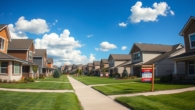

How to Evaluate a Neighborhood Before Buying
When evaluating a neighborhood before buying, it is crucial to assess safety by researching local crime rates, analyzing trends, and observing physical characteristics. Proximity to quality schools and community amenities, such as parks and recreational facilities, likewise greatly impact daily lifestyle and property value. In addition, consider transportation options, commute times, and zoning laws to anticipate neighborhood changes. Moreover, grasping property values, market trends, and environmental factors can help you make an informed decision. By examining these key aspects, you'll gain a thorough grasp of the neighborhood, and further exploration will reveal the intricacies that make a house a home.
Research Local Crime Rates
How thoroughly a neighborhood is patrolled and the overall safety of the area can considerably impact the quality of life for its residents. When evaluating a neighborhood before buying, it is crucial to research local crime rates to guarantee a safe and secure environment. Reviewing crime statistics and crime trends can provide valuable insights into the types of crimes that occur in the area and their frequency. This information can be obtained from local law enforcement agencies, online crime mapping tools, or the FBI's Uniform Crime Reporting (UCR) program.
Analyzing crime statistics and trends can help identify areas of concern, such as high rates of burglary, vandalism, or violent crime. By examining the data, potential homebuyers can determine if crime rates are increasing or decreasing over time and if specific types of crime are prevalent in certain areas. Furthermore, researching local crime rates can inform decisions about the need for home security systems, neighborhood watch programs, or other safety measures. By taking a proactive approach to evaluating local crime rates, individuals can gain control over their safety and make informed decisions about their investment in a home and a community. Effective research can eventually contribute to a better quality of life and a sense of security for residents.
Check Nearby Schools
When evaluating a neighborhood, checking nearby schools is an essential step, particularly for families with children. School ratings and school proximity are key factors to take into account, as they can greatly influence the quality of life and property value. By examining school ratings and proximity, homebuyers can make informed decisions about the neighborhood's suitability for their needs.
School Ratings
Evaluating the quality of nearby schools is crucial for homebuyers, particularly those with children, as it directly impacts the overall desirability and value of a neighborhood. School ratings provide valuable insights into the academic performance and overall quality of education in the area. Homebuyers can examine school demographics, such as student-teacher ratios and diversity, to determine if the schools align with their values and expectations.
- Reviewing academic performance metrics, such as test scores and graduation rates
- Investigating educational programs, such as special education and extracurricular activities
- Evaluating school safety and disciplinary records
- Assessing the qualifications and experience of teachers and administrators
School Proximity
Proximity to quality schools is a vital factor in determining a neighborhood's appeal, particularly for families with children. When evaluating a neighborhood, it is fundamental to take into account the proximity of schools to the potential home. This includes examining the distance to schools, transportation options, and safety of the routes.
Checking nearby schools involves researching school demographics, such as student-teacher ratios and diversity. It also entails analyzing the educational programs offered, including special programs for gifted students or those with special needs. Grasping the school's curriculum and extracurricular activities can provide insight into the overall quality of education. By evaluating these factors, homebuyers can make informed decisions about the neighborhood that best suits their family's needs. In the end, proximity to quality schools can greatly influence property value and quality of life, making it a vital consideration in the home-buying process. Effective research guarantees buyers have control over their decision.
Evaluate Community Amenities
How well a neighborhood supports the daily needs and lifestyle of its residents often depends on the quality and availability of community amenities. When evaluating a neighborhood, it is fundamental to reflect on the community amenities that are available to residents. Community parks and recreational facilities are critical in providing residents with opportunities to engage in physical activity, socialize, and relax. These amenities can greatly impact the overall quality of life and desirability of a neighborhood.
Some key community amenities to look for include:
- Community parks with walking trails and playgrounds
- Recreational facilities such as swimming pools, gyms, and sports fields
- Public libraries and community centers
- Shopping centers and restaurants within walking distance
Having control over the amenities and services available in a neighborhood is important for residents who desire a specific lifestyle. By evaluating the community amenities, potential homebuyers can determine whether a neighborhood aligns with their needs and preferences. A neighborhood with well-maintained community parks and recreational facilities can provide a sense of community and connection among residents. Moreover, proximity to important services and amenities can save time and increase overall satisfaction with the neighborhood. By carefully evaluating community amenities, homebuyers can make an informed decision and choose a neighborhood that meets their unique needs and lifestyle.
Assess Neighborhood Safety
Community amenities play a significant role in shaping the quality of life for residents, but they are only one aspect of a neighborhood's overall appeal. When evaluating a neighborhood, it is crucial to assess its safety to guarantee it meets your standards. A safe neighborhood can provide peace of mind and a sense of security, allowing you to take control of your life.
To assess neighborhood safety, research local crime statistics and talk to residents to gain insight into the area's crime prevention measures. Look for neighborhoods with a strong neighborhood watch program, as these can be effective in deterring crime and promoting a sense of community. A well-organized neighborhood watch can additionally encourage collaboration between residents and local law enforcement, leading to a more secure environment.
Moreover, observe the neighborhood's physical characteristics, such as street lighting, pedestrian traffic, and the condition of properties. Well-maintained properties and adequate lighting can indicate a neighborhood's commitment to safety and crime prevention. By taking a proactive approach to evaluating neighborhood safety, you can make an informed decision about your potential new home and take control of your living situation. This will enable you to create a secure and comfortable living environment that meets your needs and expectations.
Review Local Zoning Laws
As you explore deeper into evaluating a neighborhood, reviewing local zoning laws is essential for grasping the potential impact on your property and quality of life. Zoning regulations dictate how land can be used, influencing property classifications and determining what types of developments can be built in the area. Comprehending these laws can help you anticipate potential changes in the neighborhood and make informed decisions about your investment.
Reviewing local zoning laws allows you to exert control over your living situation and guarantees that your property value is protected. Key aspects to take into account include:
- Zoning designations for residential, commercial, and industrial areas
- Height and size restrictions for buildings and structures
- Setback requirements and parking regulations
- Provisions for home-based businesses and accessory dwelling units
Look At Public Transportation
Understanding local zoning laws provides a foundation for evaluating a neighborhood's potential, and examining the area's infrastructure is a logical next step. This includes reviewing public transit options, which play an important role in determining the quality of life and convenience of a neighborhood. Homebuyers who desire control over their daily commute and lifestyle should prioritize neighborhoods with reliable and efficient public transportation systems.
When reviewing public transit options, consider the proximity of bus and train stations to residential areas, as well as the frequency and reliability of services. Accessibility features, such as wheelchair ramps and audio announcements, are also vital for making sure that public transportation is inclusive and usable for all residents. Furthermore, consider the availability of alternative modes of transportation, such as bike-share programs or ride-hailing services, which can improve the overall transportation experience.
A neighborhood with well-developed public transit options can greatly improve the quality of life for residents, providing easy access to employment, education, and entertainment opportunities. By carefully reviewing public transit options and accessibility features, homebuyers can make informed decisions about their neighborhood and guarantee that it meets their needs and preferences. This level of control and consideration can ultimately lead to a more satisfying and convenient living experience.
Examine Environmental Factors
When evaluating a neighborhood, it is vital to take into account environmental factors that can impact quality of life. Air quality, noise levels, and water safety are critical aspects to examine, as they can affect both health and overall well-being. Evaluating these factors can help homebuyers make informed decisions and guarantee their new neighborhood meets their standards for a healthy and comfortable living environment.
Air Quality
How does the air quality in a neighborhood impact the health and well-being of its residents? Air quality is a significant factor to take into account when evaluating a neighborhood, as poor air quality can lead to respiratory problems and other health issues. To assess air quality, it is vital to conduct air quality monitoring and identify potential pollution sources.
- Proximity to industrial sites and factories
- Presence of busy roads and highways
- Nearby airports or seaports
- Industrial farming or agricultural activities
Noise Levels
What impact does excessive noise have on the quality of life in a neighborhood, and to what extent can it affect the health and well-being of its residents? Excessive noise can considerably degrade the quality of life, causing stress, anxiety, and sleep disturbances. Traffic noise is a major contributor to noise pollution in many neighborhoods, and its effects can be mitigated with proper sound insulation.
When evaluating a neighborhood, it is crucial to assess the noise levels and potential sources of noise pollution. This can be done by visiting the neighborhood at different times of the day and night to get a sense of the ambient noise level. Furthermore, researching the area's traffic patterns and proximity to highways, airports, or industrial zones can help identify potential noise sources. Investing in sound insulation can help minimize the impact of external noise, providing residents with a more peaceful living environment. By considering noise levels, homebuyers can make informed decisions and take control of their living situation. Effective sound insulation can greatly improve the overall quality of life in a neighborhood.
Water Safety
As prospective homebuyers evaluate a neighborhood, the quality of its water supply is a critical environmental factor that can considerably impact residents' health and well-being. Water safety is a key aspect to contemplate, as it directly affects the daily lives of residents. Evaluating water quality and potential flood risks is vital to making an informed decision.
When examining water safety, contemplate the following factors:
- Proximity to potential pollution sources
- Age and condition of water infrastructure
- Frequency and impact of flood risks
- Compliance with water quality regulations
Consider Commute Times
Commute times greatly impact the overall quality of life in a neighborhood, and prospective buyers would do well to carefully evaluate this aspect before making a decision. When considering commute times, it is vital to assess your commute preferences, including the mode of transportation you plan to use, the distance to your workplace or frequent destinations, and the time of day you will be traveling. Comprehending your commute preferences will help you determine whether a neighborhood is suitable for your lifestyle.
Evaluating traffic patterns is also important when considering commute times. Researching traffic patterns during peak hours, such as rush hour or school drop-off times, will give you an idea of what to expect. You can use online mapping tools or visit the neighborhood during these times to get a firsthand experience. Furthermore, consider the availability of public transportation, bike lanes, or walkability of the neighborhood, as these can greatly impact your commute time and overall quality of life.
Observe Community Dynamics
How a neighborhood interacts with itself can profoundly influence the living experience, and observing community dynamics is essential when evaluating a potential new home. The way residents engage with one another and participate in community events can greatly impact the overall atmosphere and quality of life. By paying attention to these dynamics, homebuyers can gain a better comprehension of what to expect from their potential new community.
Observing community dynamics involves more than just driving through the neighborhood. It requires a closer look at the ways in which residents interact with one another, including:
- Community events, such as block parties, parades, or street fairs
- Neighbor interactions, including how people greet one another and engage in conversation
- The presence of community organizations, such as neighborhood watch groups or volunteer committees
- The overall sense of camaraderie and shared responsibility among residents
Analyze Property Values
Evaluating a neighborhood's property values is a key factor in determining the potential long-term investment of a home. This involves researching current property trends, including the average sales price of homes, to comprehend the neighborhood's market dynamics. By analyzing property values, buyers can assess whether the area is experiencing growth, stability, or decline. Grasping property trends likewise helps buyers anticipate potential market fluctuations, allowing them to make informed decisions about their investment.
To analyze property values, buyers should review recent sales data, including the prices of comparable homes in the neighborhood. This information can be obtained from public records, real estate websites, or by consulting with a local real estate agent. Moreover, buyers should consider factors such as the quality of local schools, transportation options, and community amenities, as these can impact property values. By examining these factors and staying informed about market fluctuations, buyers can gain control over their investment and make a more informed decision about purchasing a home in the neighborhood.
Buyers should furthermore consider the potential for long-term appreciation in property values, taking into account factors such as the neighborhood's growth prospects and the overall state of the local economy. By carefully analyzing property trends and market fluctuations, buyers can minimize risks and maximize their return on investment, in the end gaining greater control over their financial future.
Frequently Asked Questions
What Are the Neighborhood Boundaries and How Are They Defined?
Defining neighborhood boundaries is vital for grasping the area's characteristics. Boundary definitions can be ambiguous, making it imperative to investigate and verify the limits. Utilizing neighborhood maps, both physical and digital, helps identify the precise borders. These maps can be obtained from local government agencies, real estate websites, or online mapping platforms. By examining these boundaries, individuals can gain control over their comprehension of the area, ensuring a well-informed decision when buying a property.
Can I Contact Current Residents for Their Honest Opinions?
When seeking authentic insights, it's crucial to tap into current resident feedback. Reaching out to existing community members can provide invaluable information about the area's pros and cons. Attend local community events or join online forums to engage with residents and ask open-ended questions. This approach promotes community engagement, allowing you to gather unbiased opinions and gain a deeper comprehension of the neighborhood's dynamics. By doing so, you'll be empowered to make a more informed decision that aligns with your needs and preferences.
How Do I Find Out About Neighborhood Association Fees?
Uncovering the truth about neighborhood association fees is like finding a hidden gem – it requires some digging, but the reward is worth it. To get to the root of association fee structures, research the neighborhood's governing documents, such as CC&Rs (Covenants, Conditions & Restrictions) or bylaws. You can as well review the neighborhood's budget and meeting minutes to understand how fees are allocated in the direction of maintaining neighborhood amenities. This due diligence will empower you to make an informed decision about your investment.
Are There Any Nearby Industrial or Commercial Sites?
When considering a new property, it's crucial to assess the surrounding area for potential disruptors. Nearby industrial or commercial sites can be a significant concern, as they may generate industrial noise, negatively impacting your quality of life. Additionally, their presence can influence property values, either positively or negatively. Researching the area and speaking with local residents can provide valuable insights into these potential issues, allowing you to make an informed decision about your investment.
How Do I Research the Neighborhood's History and Development?
Uncovering the hidden secrets of a neighborhood's past is like unearthing a treasure trove of valuable insights! To research the neighborhood's history and development, explore historical demographics, tracing population shifts, and urban development patterns. Scour local archives, municipality records, and online resources like the US Census Bureau's American FactFinder. Analyze zoning changes, infrastructure projects, and notable events that have shaped the area. By doing so, you'll gain a profound comprehension of the neighborhood's evolution, empowering you to make an informed decision about your future home.