
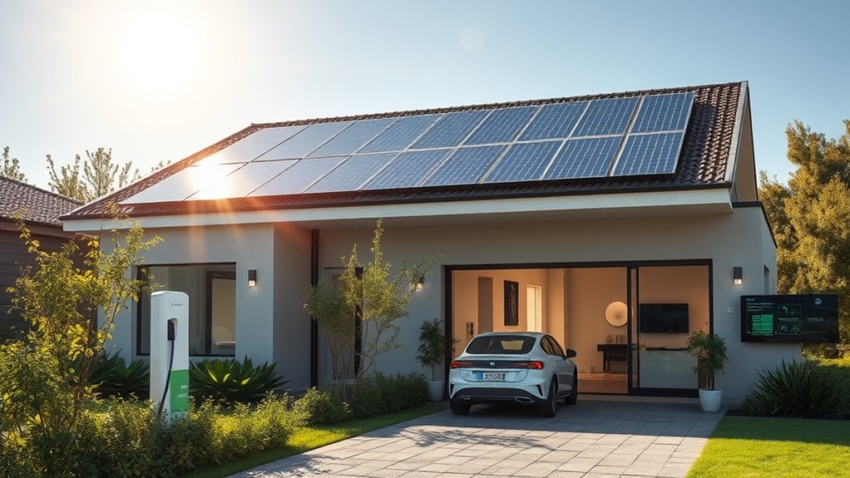
How Renewable Energy Tech Is Making Homes Smarter
Renewable energy technology is transforming homes into smarter environments. Innovations in solar energy, such as advanced panels and vertical installations, improve energy capture and reduce utility costs. Integrated energy storage solutions, including modern batteries, allow for greater efficiency and independence. Smart Energy Management Systems enable homeowners to monitor consumption and optimize usage based on real-time data. Moreover, IoT devices facilitate seamless communication among energy sources, further improving efficiency. This shift not only enhances sustainability but can also lead to increased property values. Exploring these advancements reveals even deeper insights into this evolving energy environment.
The Rise of Solar Energy
As the demand for sustainable energy solutions grows, solar energy has emerged as a leading player in the shift to greener homes. This transformation is driven by an increasing awareness of environmental issues and a desire for energy independence. Homeowners are realizing the considerable benefits that solar energy systems can offer, from reducing utility bills to enhancing property values.
The rise of solar energy is further fueled by various solar incentives provided by governments and local authorities. These incentives, such as tax credits and rebates, greatly lower the initial investment costs, making solar installations more accessible to the average homeowner. The financial advantages, combined with the long-term savings on energy bills, empower individuals to take control of their energy consumption as they contribute to a more sustainable future.
In addition to individual installations, community solar projects are gaining traction as a viable alternative for those unable to install solar panels on their properties. These initiatives allow multiple participants to share the benefits of a centralized solar array, democratizing access to renewable energy. Community solar not merely encourages collaboration among neighbors but also amplifies the impact of renewable energy adoption within localities.
Ultimately, the rise of solar energy is a formidable movement, enabling homeowners to utilize the sun's potential as they participate in a broader shift towards sustainable living. As technology continues to evolve, the integration of solar energy into everyday life will only strengthen, paving the way for a cleaner and more resilient energy future.
Innovations in Energy Storage
The growing adoption of solar energy systems highlights the significance of effective energy storage solutions, which play a vital role in maximizing the benefits of renewable resources. As homeowners and businesses increasingly turn to solar energy, the need for advanced energy storage technologies becomes essential to guarantee a reliable and uninterrupted energy supply. Innovations in this sphere are not merely enhancing efficiency but are also enabling a shift towards a more sustainable future.
Recent battery breakthroughs have transformed energy storage capabilities, allowing for higher capacity, faster charging, and longer life cycles. Lithium-ion technology, once the gold standard, has evolved with developments in solid-state batteries and flow batteries, which promise greater safety and environmental benefits. These advancements are pivotal for integrating solar energy into everyday life, offering homeowners a means to store excess energy generated during peak sunlight hours for use during times of high demand or low generation.
Moreover, companies are now focusing on sustainable solutions that minimize environmental impact. Innovations such as recycled battery materials and biodegradable components are setting new standards in the industry. This commitment not only enhances energy independence but aligns with global efforts to reduce carbon footprints.
Smart Home Integration
How can smart home integration improve the efficiency of renewable energy systems? The seamless integration of smart technology into residential environments enables homeowners to optimize energy consumption and maximize the utility of renewable sources. Smart thermostat integration exemplifies this improvement, allowing precise control over heating and cooling systems. By learning user preferences and adjusting settings accordingly, these thermostats reduce energy waste during periods of comfort, directly increasing the effectiveness of solar panels or wind turbines installed on the property.
Moreover, automated lighting systems play a significant role in energy efficiency. These systems adjust illumination based on occupancy and natural light availability, ensuring that energy is not squandered on unoccupied spaces. When paired with renewable energy sources, automated lighting can be programmed to operate primarily during peak production hours, effectively utilizing solar or wind energy when it is most abundant.
The synergy between smart home technology and renewable energy systems creates an ecosystem where energy flows efficiently and sustainably. Homeowners can schedule energy-intensive tasks, such as laundry or dishwashing, to coincide with periods of high renewable generation. This reduces reliance on the grid while contributing to lower energy costs, positioning homeowners at the forefront of the energy revolution.
In essence, smart home integration nurtures a dynamic, efficient energy environment that improves the performance of renewable systems, providing both economic and environmental benefits that resonate with a forward-thinking audience.
Real-Time Energy Monitoring
During many homeowners are aware of their overall energy consumption, real-time energy monitoring provides a deeper, more immediate insight into how energy is used throughout the day. This state-of-the-art technology enables homeowners to make informed decisions about their energy usage, leading to optimized efficiency and cost savings. By utilizing real-time analytics, individuals can observe their energy consumption patterns and adjust their habits accordingly.
The advantages of real-time energy monitoring are manifold, including:
- Immediate Feedback: Homeowners receive instant data on energy usage, allowing for prompt adjustments to reduce waste.
- Detailed Insights: Comprehending which appliances consume the most energy helps in making strategic changes to usage habits.
- Enhanced Control: Users can remotely access their energy data, enabling them to manage their home energy systems with greater precision.
- Proactive Management: Identifying unusual spikes in energy usage can alert homeowners to potential issues before they escalate, such as malfunctioning appliances.
With the integration of smart technologies, real-time energy monitoring systems can be seamlessly connected to other smart home devices, enhancing one's ability to manage energy consumption actively. As a result, homeowners gain a clearer comprehension of their energy usage while fostering a more responsible and empowered approach to energy management. In an era where sustainability and efficiency are paramount, real-time energy monitoring stands as a formidable tool for any energy-conscious household.
Benefits of Energy Efficiency
Achieving energy efficiency is not merely a goal; it represents a commitment to sustainable living that benefits both the environment and homeowners' finances. By utilizing energy-saving appliances and integrating sustainable materials into home construction and renovation, homeowners can greatly reduce their energy consumption during the process of improving the comfort and value of their properties.
The adoption of energy-saving appliances is an influential step in the direction of efficiency. These devices are designed to utilize less energy without compromising performance, leading to lower utility bills and reduced greenhouse gas emissions. For instance, Energy Star-rated appliances consume up to 50% less energy compared to their conventional counterparts. This not just conserves essential resources but also positions homeowners as proactive stewards of the environment.
Incorporating sustainable materials further boosts energy efficiency. Materials such as recycled steel, bamboo, and reclaimed wood not only minimize environmental impact but also improve home insulation and energy retention. Improved insulation reduces the need for heating and cooling, resulting in considerable energy savings over time.
Moreover, energy efficiency often increases property value—homes equipped with energy-efficient technologies and sustainable materials are increasingly sought after in the real estate market. This trend empowers homeowners to enjoy both immediate financial benefits and long-term asset appreciation.
Future Trends in Renewable Tech
As the demand for sustainable living increases, future trends in renewable technology are set to transform how we manage energy in our homes. Smart Energy Management Systems will play a pivotal role, seamlessly integrating with IoT devices to optimize energy usage and improve efficiency. Furthermore, advancements in solar panel technology promise enhanced efficiency, making renewable energy sources more accessible and effective for homeowners.
Smart Energy Management Systems
With the increasing integration of renewable energy sources in residential settings, Smart Energy Management Systems (SEMS) are emerging as pivotal tools for improving energy efficiency and sustainability. These advanced systems leverage energy analytics and demand response capabilities, empowering homeowners to exert greater control over their energy consumption.
The future of SEMS lies in their ability to refine energy use and reduce costs. Here are four key features driving this evolution:
- Real-Time Monitoring: SEMS provide homeowners with instant data on energy usage, facilitating informed decision-making.
- Automated Demand Response: These systems can automatically adjust energy consumption during peak times, ensuring stability and cost savings.
- Predictive Analytics: By analyzing historical data, SEMS can forecast energy needs and suggest ideal usage patterns.
- Integration with Renewable Sources: SEMS seamlessly coordinate electricity from solar panels, wind turbines, or battery storage, maximizing renewable energy utilization.
As SEMS continue to evolve, they will not just improve individual energy management but also contribute to a more resilient and sustainable energy grid, positioning homeowners at the forefront of the renewable energy revolution.
Integration With Iot Devices
The integration of Internet of Things (IoT) devices into renewable energy systems is poised to transform how homeowners manage and utilize their energy resources. This convergence empowers users to utilize real-time data for efficient energy consumption, optimizing their systems to reduce costs and carbon footprints.
IoT devices facilitate seamless communication among multiple energy sources, improving device interoperability. Homeowners can easily connect solar panels, smart thermostats, and energy storage units, creating a cohesive ecosystem that maximizes energy efficiency. Through advanced analytics, users can make informed decisions, adjusting their energy consumption patterns in response to dynamic energy prices and availability.
However, as the integration of IoT devices expands, so does the necessity for robust IoT security. Protecting sensitive data and ensuring the integrity of connected devices is paramount to prevent unauthorized access and potential disruption of energy management systems.
As technology advances, the synergy between renewable energy systems and IoT devices will continue to grow, driving innovation in smart home energy management. This evolution not only boosts user control over energy consumption but also contributes to a more sustainable and resilient energy future.
Advanced Solar Panel Efficiency
As advancements in solar panel technology continue to emerge, increasing efficiency remains a critical focus for the renewable energy sector. The push for improved performance is driving innovations that promise to redefine energy generation in residential settings. Among these, two remarkable technologies stand out: bifacial solar panels and transparent solar cells.
Bifacial solar panels capture sunlight from both sides, considerably boosting energy production. This dual-sided capability allows them to utilize reflected light from surfaces such as roofs or ground, maximizing efficiency. Meanwhile, transparent solar technology is revolutionizing windows and glass surfaces, enabling buildings to generate energy without sacrificing aesthetics or natural light.
The future of advanced solar panel efficiency can be summarized through the following trends:
- Improved Materials: The use of advanced materials like perovskite will increase efficiency ratings beyond traditional silicon panels.
- Smart Integration: Solutions that integrate with smart home systems will optimize energy usage and storage.
- Vertical Installation: Utilizing vertical surfaces for solar energy capture will expand deployment opportunities.
- Energy Storage Solutions: Enhanced storage technologies will complement solar panels, ensuring energy availability even when sunlight is scarce.
These innovations herald a new era of solar energy, empowering homeowners with unparalleled efficiency and sustainability.
Frequently Asked Questions
How Can I Qualify for Government Incentives for Renewable Energy Installations?
To navigate the intricate domain of government incentives for renewable energy installations, one must first familiarize oneself with various incentive programs. These programs often encompass tax credits, which can greatly offset installation costs. Eligibility typically hinges on factors such as income level, property type, and specific technology installed. Engaging with local energy agencies or consulting tax professionals can reveal opportunities, empowering homeowners to capitalize on these financial advantages as they contribute to a sustainable future.
What Are the Typical Costs Associated With Solar Panel Installation?
The typical costs associated with solar panel installation can vary considerably based on several factors, including system size and location. On average, solar panel pricing ranges from $15,000 to $25,000 before incentives. Installation fees typically account for 10-15% of the total cost, encompassing labor and permitting expenses. Homeowners should consider these factors carefully to assess their investment's long-term value and potential savings on energy bills.
How Does Renewable Energy Impact Property Value?
Renewable energy greatly influences property appraisal, often enhancing market value. Properties equipped with solar panels and energy-efficient systems typically attract buyers seeking lower utility costs and sustainable living. This demand translates to higher property valuations, since such features are associated with reduced energy consumption and long-term savings. As a result, homeowners investing in renewable energy technologies can expect not just environmental benefits but likewise a favorable impact on their property's overall worth and marketability.
Can Renewable Energy Systems Work During Power Outages?
Renewable energy systems can certainly function during energy outages, particularly when paired with battery backup solutions. These systems store excess energy generated during peak production times, ensuring a reliable energy source when the grid fails. This capability not only improves energy independence but additionally provides homeowners with peace of mind, knowing they can maintain critical functions during emergencies. In this way, integrating renewable technologies with battery storage greatly strengthens resilience against energy disruptions.
What Maintenance Is Required for Home Renewable Energy Systems?
Maintenance of home renewable energy systems is crucial for peak performance and longevity. Regular system inspections should be conducted to identify any potential issues, ensuring components are functioning efficiently. Furthermore, timely equipment upgrades may be necessary to keep pace with technological advancements and improve energy output. Homeowners must likewise monitor system performance and clean components, such as solar panels, to maximize energy efficiency and maintain a reliable energy source.