
How to Encourage Healthy Eating Habits in Your Family
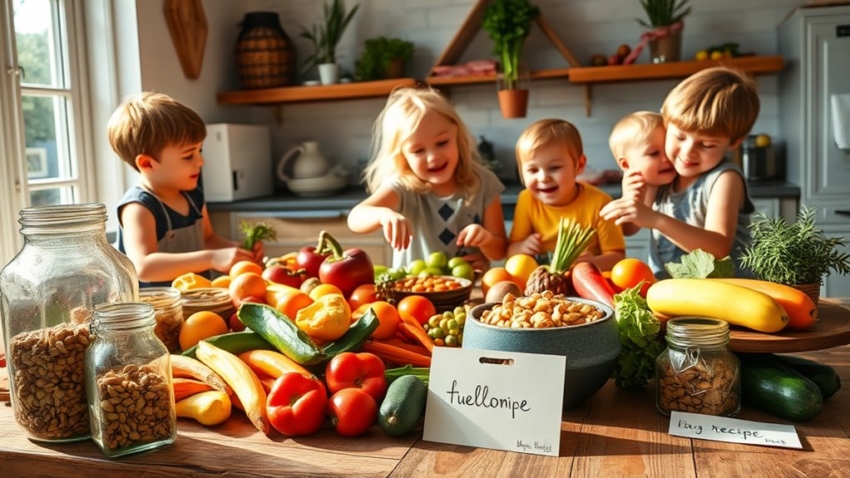
You can encourage healthy eating habits in your family by leading by example. Make balanced meals a priority and involve your kids in meal planning and grocery shopping. Turn shopping into a fun activity by letting them help choose foods. Stock your pantry with whole grains, nuts, and canned goods for easy access to healthy snacks. Cultivate mindful eating by minimizing distractions during meals, encouraging slow eating, and appreciating flavors. Don't forget to celebrate small victories together to keep motivation high. There's plenty more you can explore to make healthy eating enjoyable for everyone.
Lead by Example With Healthy Choices
Since you're the role model your kids look up to, it's vital that you lead by example with healthy choices. As a parent, you have a significant influence on your children's eating habits, and they're more likely to adopt healthy habits if they see you practicing them. Healthy role modeling is fundamental in shaping your kids' relationship with food. By making nutritious choices, you're showing your kids that healthy eating is a priority.
You don't have to be a perfect eater, but making an effort to eat a balanced diet will have a positive impact on your kids. Start by cutting back on processed and high-sugar foods, and opt for whole, nutrient-dense foods like fruits, vegetables, whole grains, and lean proteins. Limit your intake of unhealthy snacks and drinks, and instead, choose water and healthy beverages.
Your kids are watching you, so make sure you're modeling the behaviors you want them to adopt. Eat meals together as a family, and engage in conversations about the food you're eating. Share with your kids why you're making certain food choices, and explain how they benefit your health. By leading by example, you're teaching your kids the significance of healthy eating and setting them up for a lifetime of wellness.
Involve Kids in Meal Planning
Getting your kids involved in meal planning is a great way to encourage healthy eating habits and teach them valuable skills. By involving them in the process, you'll not merely get their buy-in on meal choices, but likewise help them develop important life skills like planning, decision-making, and cooking.
Start by asking your kids to help with meal themes, such as "Taco Tuesday" or "Italian Night." This will get them thinking creatively about different cuisines and dishes. Then, engage them in recipe brainstorming, where they can suggest their favorite ingredients or cooking methods. You can also involve them in searching for recipes online or in cookbooks, teaching them about different cooking techniques and nutritional information.
As they get more comfortable, you can give them more responsibility, such as making a simple meal or snack on their own. This will help build their confidence in the kitchen and encourage them to try new foods. Be sure to provide guidance and support as needed, and praise their efforts even though the dish doesn't turn out perfectly. By involving your kids in meal planning, you'll not merely create healthy eaters, but likewise raise confident, self-sufficient individuals who can take care of themselves in the kitchen.
Make Grocery Shopping Fun
When you make grocery shopping a fun experience, your kids are more likely to get excited about trying new foods and helping with meal prep. You can get them involved by letting them help create a grocery list or find items on the shelves. By doing so, you're setting the stage for a positive relationship with healthy eating and exploration of new flavors and textures.
Get Kids Involved
Your kids are likely to be more enthusiastic about healthy eating if they have a hand in planning and preparing meals. By involving them in kitchen activities, they'll feel more invested in the food they're eating. Let them help with meal planning by browsing through cookbooks or searching for creative recipes online. They can even assist with making a grocery list and finding the ingredients at the store.
When it's time to cook, give them tasks that fit their skill level, like washing veggies, mixing ingredients, or stirring the pot. This will not only teach them important skills but will also create quality time together. As they help prepare meals, they'll be more keen to try new foods and take pride in what they've created. By making healthy eating a fun, collaborative process, you'll instill good habits that will last a lifetime. So, get your kids involved and watch them develop a love for healthy eating!
Try New Foods
As you venture into the domain of healthy eating with your family, one crucial step is to introduce new foods into your diet. This can be a fun and exciting experience for everyone, especially when you make grocery shopping an adventure. Let your kids help you pick out a few new fruits, vegetables, or whole grains to try each week. You can even turn it into a game by having a taste test at home, where everyone gets to vote on their favorite new food.
Make it a food adventure by exploring different cuisines and flavors together. Try new recipes or cooking methods to keep things interesting. You can additionally involve your kids in the cooking process, teaching them about measurements, mixing, and cooking techniques. This will not only help them develop important skills, but also create a sense of ownership and excitement around trying new foods. By making healthy eating a fun and collaborative experience, you'll be more likely to get your kids on board and develop healthy habits that will last a lifetime.
Stock a Healthy Pantry
By ditching processed snacks and sugary treats, you'll create space for wholesome staples that'll help your family develop healthy eating habits. A well-stocked pantry is crucial in promoting healthy eating, as it sets the foundation for nutritious meals and healthy snacks.
When it comes to pantry organization, consider the following necessities:
- Whole Grains: Stock up on brown rice, quinoa, whole-wheat bread, and whole-grain pasta to provide fiber-rich meals.
- Canned Goods: Canned beans, tomatoes, and tuna are rich in protein, fiber, and vitamins, making them a great addition to your pantry.
- Nuts and Seeds: Almonds, walnuts, chia seeds, and flax seeds are packed with healthy fats, protein, and fiber, making them perfect for healthy snacks.
Plan Meals in Advance
Planning meals in advance is a crucial step in establishing healthy eating habits for your family, since it allows you to make intentional food choices and avoid last-minute, unhealthy options. By dedicating a little time to meal prep each week, you can create a structured plan that suits your family's tastes and nutritional needs, ensuring everyone enjoys their meals.
Start by setting aside time each week to plan your meals. Consider involving your family in this process; ask for their input on what they'd like to eat. This not just makes them feel valued but likewise encourages them to try new dishes. Once you have a plan, make a shopping list based on the ingredients you'll need. This approach streamlines your grocery trips, saving time and reducing impulse buys.
Effective time management is key. Prepare larger batches of food when possible and store portions in the fridge or freezer for busy days. This way, you'll have healthy options on hand, minimizing the temptation to grab takeout or processed snacks. You might even assign specific days for certain meals, like Meatless Mondays or Taco Tuesdays, to create a fun family routine.
Lastly, remember to be flexible. Life happens, and it's okay to swap meals around when necessary. The goal is to create a sustainable system that nourishes your family and makes healthy eating enjoyable. By planning meals in advance, you're setting a strong foundation for your family's well-being.
Create a Family Cookbook
Creating a family cookbook is a fantastic way to build on your meal planning efforts and preserve your family's culinary traditions. Not only does it allow you to gather cherished family recipes, but it additionally creates a sense of belonging and shared history. You'll be nurturing a love for cooking in your family as well as ensuring that these traditions live on for future generations.
Here are three steps to help you create your family cookbook:
- Collect Family Recipes: Start by reaching out to family members to gather their favorite recipes. Include notes on special occasions when each dish is served, adding personal touches that make the recipe even more meaningful.
- Organize the Cookbook: Decide how you'd like to categorize the recipes—by meal type, season, or family member. This organization will help everyone navigate and find their favorite dishes easily.
- Add Personal Touches: Include photos of the dishes, anecdotes, or cooking tips that make each recipe unique. This personalizes the cookbook and gives it a heartfelt touch that reflects your family's cooking traditions.
Eat Together as a Family
Making mealtime a priority can strengthen your family's bond and create a sense of togetherness. When you sit down to eat together, you promote communication and connection that improves everyone's well-being. So, let's explore how to make family meals a cherished tradition.
Make Mealtime a Priority
Although life can get hectic, prioritizing mealtime as a family can strengthen bonds and promote healthier eating habits. When you gather around the table, you create mealtime rituals that not just nourish the body but also nurture the spirit. These shared experiences can lead to lasting family traditions that everyone cherishes.
Here are three ways to make mealtime a priority:
- Set a Regular Schedule: Aim to have meals together at consistent times. This routine helps everyone anticipate and value shared moments.
- Involve Everyone: Encourage family members to participate in meal prep and planning. This involvement encourages a sense of ownership and excitement about the food you eat.
- Create a Distraction-Free Zone: Make your dining area a place where conversations thrive. Turn off screens and focus on each other, allowing for deeper connections and conversations.
Create a Sense of Togetherness
Though it might seem challenging to gather everyone around the table, eating together as a family nurtures a sense of togetherness that strengthens your relationships. Regular family meals create a safe space for sharing stories, laughter, and support. You'll find that these moments encourage a deeper connection among family members, encouraging open communication and comprehension.
Incorporate family traditions into your mealtimes to make them even more special. Whether it's a weekly pizza night or a Sunday breakfast, these rituals become cherished memories that everyone looks forward to. Cooking together can as well be a rewarding experience. Involving your family in meal preparation not merely teaches valuable skills but additionally cultivates teamwork and creativity.
As you chop, stir, and taste, you're creating more than just a meal; you're building bonds. These cooking rituals can spark conversations and laughter, making the process enjoyable.
Ultimately, by prioritizing family meals and including everyone in the preparation, you're not just serving food; you're serving love and togetherness. So, embrace the strength of shared meals, and watch your family's healthy eating habits thrive!
Make Healthy Swaps in Recipes
When you're looking to improve your family's diet, swapping out ingredients in your favorite recipes can make a big difference. By incorporating healthy ingredient substitutions, you not just boost the nutritional value of your meals but likewise create a positive example for your loved ones. Here are three easy swaps to contemplate:
- Whole Grains Over Refined: Replace white rice or pasta with whole grain alternatives. This simple change increases fiber and crucial nutrients, making your dishes more filling and nutritious.
- Greek Yogurt Instead of Sour Cream: Use Greek yogurt in place of sour cream in dips, toppings, or dressings. It provides a creamy texture as well as adding protein and reducing fat content.
- Natural Sweeteners Rather Than Sugar: Swap out refined sugar for natural sweeteners like honey or maple syrup in baking. These options not just sweeten your recipes but likewise come with additional nutrients, making your desserts healthier.
Sneak in Extra Nutrients
Even though it might seem challenging to get your family to eat more vegetables or other nutrient-rich foods, there are clever ways to sneak in extra nutrients without anyone noticing. By incorporating hidden veggies into your meals, you can improve your family's diet as you keep them satisfied.
Start by blending vegetables into sauces or soups. For instance, pureeing carrots, spinach, or cauliflower into marinara sauce not only adds flavor but also provides nutrient boosts. You can even mix in some finely grated zucchini or butternut squash into burgers or meatballs. Your family won't taste the difference, but they'll benefit from the added vitamins.
Another great trick is to use smoothies as a vehicle for hidden veggies. Combine fruits like bananas or berries with a handful of spinach or kale. The strong flavors of the fruit will mask the greens, making it an enjoyable treat for everyone.
Use mashed potatoes or rice as a canvas for more nutrients as well. Adding cauliflower or sweet potatoes can improve the texture and flavor while packing in extra vitamins.
Don't forget snacks! You can whip up some energy balls with oats, nut butter, and a scoop of finely ground veggies or seeds. These can be a fun, nutritious snack that kids love.
Limit Unhealthy Food Options
To create a healthier eating environment for your family, it's important to limit unhealthy food options at home. By making conscious choices about what you stock your pantry and fridge with, you can encourage better eating habits and promote food education among your family members. Here are three effective strategies to reflect upon:
- Remove Tempting Junk Food: Clear out chips, sugary cereals, and sodas. Instead, fill your kitchen with wholesome snacks. Fresh fruits, nuts, and yogurt are great alternatives that satisfy cravings without compromising nutrition.
- Make Healthier Snack Alternatives Accessible: Place healthy snacks in visible locations, like the front of the fridge or in clear containers on the counter. This way, when your family feels hungry, they'll reach for nutritious options instead of processed foods.
- Set an Example: Show your family how to enjoy healthy food choices. Prepare meals together, and discuss the benefits of the ingredients you're using. This not only promotes food education but additionally creates bonding time, making healthy eating a family affair.
Encourage Mindful Eating Habits
How can you cultivate a deeper connection with your food? Encouraging mindful eating habits can transform your family's relationship with meals. Start by turning every meal into a mindful experience. Gather everyone around the table, free from distractions like TV or smartphones. This creates an atmosphere where you can focus on the food in front of you.
Involve your family in the preparation process. When you cook together, you instill a sense of pride and awareness in what goes into your meals. Discuss the ingredients, their origins, and the nutritional benefits. This not only encourages appreciation for the food but additionally strengthens family bonds.
During meals, practice awareness practices, such as taking a moment to savor the aroma and textures of the food. Encourage your family to chew slowly, tasting every bite. This helps them recognize when they're satisfied, reducing the chances of overeating. You might even suggest sharing thoughts about the flavors and textures during the meal, creating a dialogue about what they enjoy.
To further improve mindful meals, consider setting intentions before eating. Ask everyone to think about what they're grateful for related to the meal, whether it's the time spent together or the nourishment it provides. This simple practice can shift focus from merely eating to truly appreciating the experience, nurturing a healthier mindset around food. By embracing these mindful eating habits, you're not just serving meals; you're nurturing a culture of awareness and gratitude in your family.
Celebrate Small Victories Together
Celebrating small victories can boost your family's motivation to eat healthier. When you set achievable goals together and praise each other's efforts, you create a positive environment that nurtures growth. Sharing success stories, no matter how small, helps everyone feel valued and inspired to keep going.
Set Achievable Goals Together
Setting achievable goals together can transform your family's approach to healthy eating, making it both enjoyable and rewarding. When you involve everyone in goal setting, you create a sense of ownership and teamwork that encourages healthier habits. Start by discussing what healthy eating means for your family and identify specific goals you can work towards collaboratively.
Here are three easy ways to set achievable goals together:
- Meal Planning: Involve the whole family in planning weekly meals. This not only guarantees healthier options but also gets everyone excited about trying new recipes.
- Healthy Snack Challenge: Challenge each family member to bring a new healthy snack to share each week. This encourages creativity in addition to promoting nutritious choices.
- Cooking Nights: Designate a night each week for family cooking. Assign each member a role, making it a fun experience and teaching valuable skills.
Praise Effort, Not Perfection
Recognizing effort over perfection can greatly boost your family's motivation to adopt healthier eating habits. When you focus on celebrating efforts, you create an environment where everyone feels valued and encouraged. Instead of aiming for a flawless meal or a perfect plate, consider praising creativity in meal preparation. If your child tries a new vegetable or combines flavors in an unexpected way, let them know how much you appreciate their initiative.
Celebrate small victories together, whether it's choosing whole grains or successfully cooking a healthy dish as a family. These moments nurture a sense of accomplishment and motivate your loved ones to keep trying. When children see their efforts recognized, they're more likely to feel empowered to explore new foods and recipes.
Make it a habit to highlight even the tiniest achievements. Did someone help with grocery shopping or suggest a new healthy snack? Acknowledge those contributions. By creating a culture of appreciation, you not only cultivate their desire to eat better but likewise strengthen your family bond. Remember, every effort counts, and together, you can build a foundation for lasting healthy eating habits.
Share Success Stories
Whenever you share success stories within your family, you're not merely recounting achievements; you're reinforcing a positive mindset around healthy eating. Celebrating small victories together helps everyone feel connected and motivated, especially when facing family challenges. Food traditions can become even more meaningful when you highlight progress in healthier choices.
Here are three ways to share success stories:
- Create a Family Journal: Encourage everyone to jot down their healthy eating wins, whether it's trying a new vegetable or cooking a nutritious meal together. This creates a tangible record of progress.
- Host a Celebration Night: Dedicate a night each month to celebrate everyone's efforts. Share stories, enjoy a healthy meal, and acknowledge how far you've come in overcoming family challenges.
- Use Social Media: If your family is comfortable, post your successes on social media. This not only spreads positivity but can inspire others to adopt healthier habits too.
Frequently Asked Questions
How Can I Address Picky Eating Habits in My Children?
Addressing picky eating habits in your children can be challenging, but you can turn it into a fun experience. Try creative recipes that involve them in the cooking process; this not just engages their interest but additionally helps them explore new flavors. Use positive reinforcement by praising their efforts and trying new foods. Celebrate small victories, and soon, you'll find they're more open to trying a variety of healthy options!
What Are Some Healthy Snack Ideas for Kids?
Did you know that kids who snack on fruits and veggies are 30% more likely to choose healthier meals later? You can make healthy snacks fun by creating colorful fruit kabobs or layering yogurt parfaits with berries and granola. These tasty options not just satisfy cravings but furthermore encourage your kids to enjoy nutritious foods. Get creative together, and you'll find they'll love these snacks as they develop healthier eating habits!
How Can I Manage Food Allergies While Encouraging Healthy Eating?
Managing food allergies during encouraging healthy eating can be a challenge, but it's doable. Start by exploring allergy-friendly recipes that cater to your family's needs. You can find great alternatives to common allergens, like using applesauce instead of eggs in baking. Make safe ingredient swaps, like coconut yogurt for dairy, to keep meals nutritious and enjoyable. Involve your family in meal planning, so everyone feels included and excited about what they're eating.
What Are the Best Ways to Introduce New Foods to My Family?
Did you know that kids need to try a new food up to 15 times before they might like it? To introduce new foods to your family, create fun food exploration nights where everyone can taste test different fruits, vegetables, or grains. Encourage your family members to share their thoughts on each food, making it a collaborative experience. This way, you'll cultivate curiosity and openness in relation to trying healthier options together!
How Can I Make Healthy Eating Affordable for My Family?
To make healthy eating affordable for your family, start with meal planning. By mapping out meals for the week, you can avoid impulse buys and focus on budget shopping. Look for seasonal produce and sales to maximize your savings. Consider cooking in batches to stretch your ingredients further. You'll not just save money but additionally provide nutritious meals that everyone will enjoy. Emphasizing health doesn't have to break the bank!