
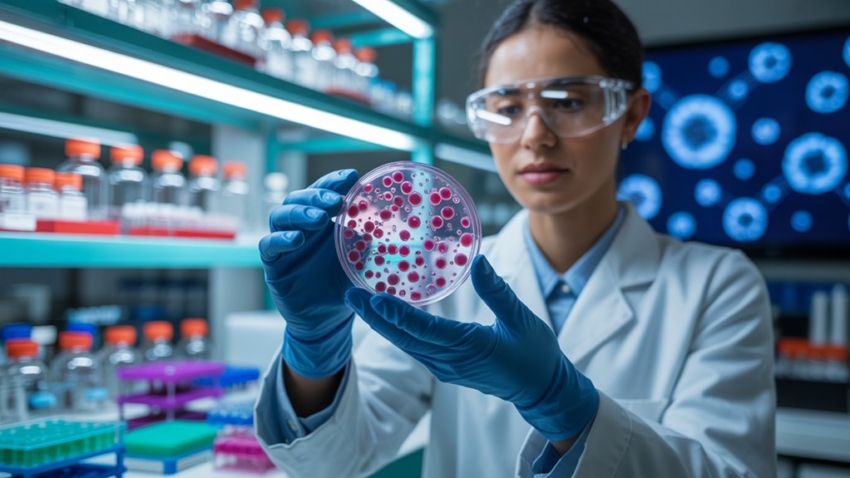
The Science Behind Stem Cell Therapy And Its Promise
Stem cell therapy taps into the remarkable regenerative abilities of stem cells, helping repair damaged tissues and treat various diseases. These master cells can differentiate into specialized cells, serving therapeutic purposes in scenarios like heart tissue repair and restoring vision in macular degeneration. Although ethical debates exist around embryonic sources, adult stem cells and induced pluripotent stem cells (iPSCs) promise to expand treatment options. You’ll discover more about their applications and the challenges that lie ahead.
Understanding Stem Cells and Their Functions

Stem cells are fascinating master cells that play a critical role in your body’s ability to heal and regenerate. There are several stem cell types, including embryonic stem cells, which can differentiate into any cell type, and adult stem cells, which have a more limited differentiation potential. Induced pluripotent stem cells (iPSCs) provide a promising alternative, as they’re reprogrammed adult cells that act like embryonic stem cells without ethical concerns.
These cells communicate through cell signaling, which helps guide their functions and interactions in the body. Their regenerative properties are crucial for repairing damaged tissues and maintaining overall health. Comprehending how stem cells work and their therapeutic applications can open doors to innovative treatments for serious conditions like heart disease and neurodegenerative disorders. As research continues, the potential of stem cells in medicine becomes increasingly exciting, offering hope for transformative therapies in the future.
Current Applications and Success Stories
You’ll find that stem cell therapy is making waves in regenerative medicine, showcasing real success stories that could change lives. From restoring vision in patients with macular degeneration to repairing heart tissue, these innovations highlight the strength of stem cells. As research continues, you’ll see even more groundbreaking applications that promise to improve patient care and outcomes.
Regenerative Medicine Innovations
As researchers continue to reveal the vast potential of stem cells, innovations in regenerative medicine are transforming the terrain of treatment options for various diseases. Techniques like gene editing and tissue engineering are at the forefront, enabling precise cell differentiation to repair damaged tissues. For instance, clinical trials have shown success with adult stem cells in treating heart failure and restoring heart tissue. Even worldwide there are places offering treatment such as R3 Stem Cell Clinic Mexico that have personalized therapies using induced pluripotent stem cells (iPSCs) allow for disease modeling customized to individual needs, paving the way for more effective treatments. Success stories from hematopoietic stem cell transplants highlight the promise of these therapies in combating blood cancers, showcasing how regenerative medicine is reshaping patient outcomes and enhancing quality of life.
The Ethical Debate Surrounding Embryonic Stem Cells

Although the promise of embryonic stem cell research offers groundbreaking potential for treating severe medical conditions, it also sparks a heated ethical debate. The core of this debate revolves around the moral implications of using human embryos. Critics argue that this practice equates to taking human life, whereas supporters believe the potential benefits justify their use. Consent processes and research regulations are in place, requiring that embryos come from in vitro fertilization clinics and are donated with informed consent.
| Ethical Consideration | Description |
|---|---|
| Moral Implications | Opponents see embryo use as taking human life. |
| Consent Processes | Embryos must be donated with informed consent. |
| Research Regulations | Guidelines help guarantee ethical compliance in research. |
| Public Perception | Society’s views shape the direction of stem cell research policies. |
| Scientific Ethics | Balancing advancement with ethical responsibility is vital. |
As the debate continues, finding common ground becomes fundamental for progress.
The Role of Adult Stem Cells in Therapy
Though many people associate stem cell therapy primarily with embryonic cells, adult stem cells play a fundamental role in medical treatments today. Found in tissues like bone marrow, skin, and fat, these cells are vital for maintaining and repairing those areas. A notable clinical application is hematopoietic stem cells, which have been successfully used in bone marrow transplants for blood disorders such as leukemia. Research is revealing exciting treatment advancements, particularly in using adult stem cells for heart tissue regeneration. Nevertheless, adult stem cells do have limitations; they typically differentiate into cell types related to their tissue of origin. This restricts their versatility compared to embryonic stem cells. Still, the ongoing exploration of induced pluripotent stem cells (iPSCs) offers hope for overcoming these limitations, potentially improving patient outcomes and broadening therapeutic options in regenerative medicine.
Mechanisms of Stem Cell Therapy
Stem cell therapy operates through several intricate mechanisms that leverage the unique properties of stem cells to facilitate healing and regeneration. These cells excel in self-renewal and can differentiate into specialized cell types, promoting tissue repair. A key aspect is cell signaling; stem cells secrete growth factors and cytokines that reduce inflammation and improve the survival of surrounding cells. In tissue engineering, manipulating stem cells in vitro allows for the generation of specific cell types, like cardiomyocytes for heart repair. Furthermore, immune modulation plays a significant role, particularly with hematopoietic stem cells, which regenerate blood cells and restore immune function after chemotherapy. Current clinical trials are exploring the therapeutic potential of induced pluripotent stem cells (iPSCs), offering personalized treatment options as they address ethical concerns. Comprehending these mechanisms highlights the promise of stem cell therapy in revolutionizing medical treatment.
The Sources of Stem Cells
Comprehending the mechanisms of stem cell therapy opens the door to exploring the various sources of stem cells available for research and treatment. One primary source is embryonic stem cells, derived from early-stage embryos, which can differentiate into any cell type. Conversely, adult stem cells, found in tissues like bone marrow and skin, have more limited differentiation capabilities.
Induced pluripotent stem cells (iPSCs) represent another exciting avenue. These are created by reprogramming adult cells to behave like embryonic stem cells, broadening their potential for therapies. Moreover, perinatal stem cells, collected from amniotic fluid and umbilical cord blood, offer a rich source of stem cells with fewer ethical concerns compared to embryonic sources.
Future Directions and Challenges in Stem Cell Research
As researchers push the boundaries of stem cell science, they’re uncovering exciting future directions as well as grappling with significant challenges. Clinical trials are ongoing, focusing on enhancing the safety and efficacy of stem cell therapies for chronic diseases. Nevertheless, iPSC challenges, such as their differentiation capabilities compared to embryonic stem cells, remain a hurdle.
Incorporating gene therapy with stem cells offers potential lifelong solutions for genetic disorders, yet ethical implications continue to influence research funding and policies. Moreover, the integration of stem cells into cancer treatment strategies shows promise for overcoming resistance in metastatic cancers.
| Focus Area | Current Challenges |
|---|---|
| Clinical Trials | Ensuring safety and efficacy |
| Gene Therapy | Improving gene delivery methods |
| iPSC Challenges | Enhancing differentiation |
| Ethical Implications | Managing regulatory environments |
Maneuvering through these intricacies will be crucial for advancing stem cell research and its transformative potential.
Frequently Asked Questions
What Are the Promises of Stem Cell Therapy?
Stem cell therapy promises exciting advancements in regenerative medicine. You can expect breakthroughs in treating chronic diseases by promoting tissue repair and enhancing immune response. This innovative approach allows for the regeneration of damaged organs and tissues, offering hope for conditions previously deemed untreatable. Although there are ethical considerations to navigate, the potential for personalized treatments and improved patient outcomes makes stem cell therapy a transformative option in modern healthcare.
Is Stem Cell Treatment Really Promising?
You might find stem cell treatment promising, but it comes with challenges. Although many patient experiences highlight improved outcomes, treatment efficacy varies. Ethical considerations and regulatory hurdles often slow progress, influencing research and access. Nevertheless, as scientists explore future prospects, the potential for breakthroughs in regenerative medicine remains strong. Keeping an eye on ongoing studies and advancements will help you gauge how promising these therapies truly are in the coming years.
Why Do Stem Cells Have so Much Promise in Research and Disease Treatment?
Envision a world where damaged tissues can heal like magic. That’s the promise of stem cells. Their unique types, such as embryonic and induced pluripotent stem cells, showcase incredible regenerative potential. With ongoing research advancements, you’re witnessing therapeutic applications that could transform treatments for chronic diseases. Plus, ethical considerations are being addressed, ensuring responsible use. This makes stem cell research not just hopeful, but a beacon of possibility for better health outcomes.
What Is Controversial About Stem Cell Therapy?
Stem cell therapy’s controversial nature stems from several factors. You’ll find ethical concerns surrounding the use of embryonic stem cells, as some believe it involves the destruction of potential life. Legal implications vary by region, complicating research. Source controversies arise between embryonic and adult stem cells, impacting funding challenges. Public perception can be skewed, leading to unrealistic expectations about treatments that are still in development. These issues create a complex environment for advancing stem cell therapies.