
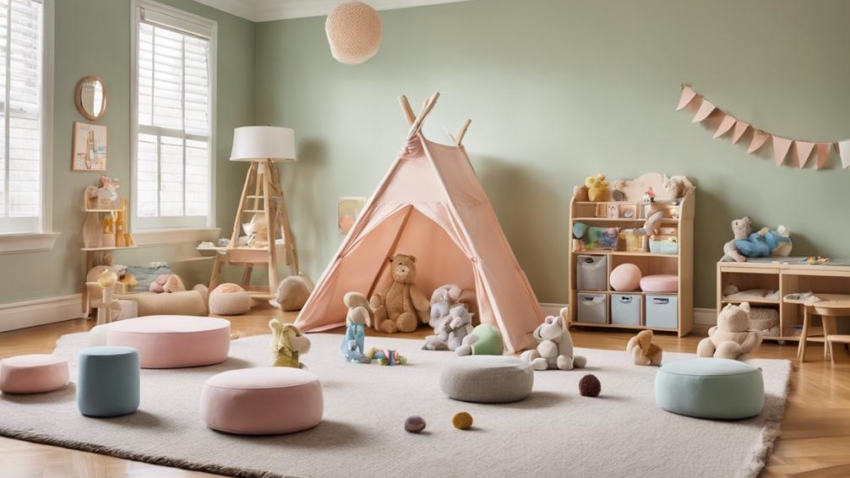
Creating a Safe Play Environment for Kids
When creating a safe play environment for kids, it’s essential to cover all bases. Start by thoroughly evaluating the play area for hazards, removing toxic substances, and softening hard surfaces to prevent injuries. Secure furniture and appliances to prevent tip-overs, and install safety gates to block access to dangerous areas. Establish clear expectations and consequences, and supervise playtime effectively to prevent accidents. By taking a thorough approach, parents can create a safe haven for kids to grow and thrive. With a solid foundation in place, they can explore additional strategies to further enhance their child’s play environment. Additionally, it’s important to encourage open communication about safety with children, teaching them about potential dangers while empowering them to make safe choices. Parents can also incorporate home safety tips for all ages, ensuring that caregivers and older siblings understand their roles in maintaining a secure environment. Regularly revisiting and updating safety measures will help keep the play area a fun and safe place for children to enjoy their activities.
Assessing the Play Area
The first step in creating a safe play environment is to thoroughly evaluate the play area, taking into account any potential hazards that could harm children. This evaluation is vital in identifying areas that need improvement to guarantee the well-being of kids. One effective way to do this is through Play Zone Mapping, a process that involves dividing the play area into different zones based on age appropriateness. By doing so, caregivers can identify areas that require additional supervision or modifications to maintain age-specific safety.
When evaluating the play area, caregivers should consider factors such as equipment, layout, and surrounding environment. They should also take into account the age range of children who will be using the play area, ensuring that the space is tailored to meet their specific needs. For instance, a play area for toddlers would require softer surfaces and minimal climbing structures, whereas a play area for older kids might include more complex play equipment.
Removing Hazardous Materials
Caregivers must next remove hazardous materials from the play area to prevent children from accidentally ingesting or coming into contact with harmful substances. This important step guarantees a safe environment where kids can thrive without exposure to toxic waste or chemical exposure. The consequences of neglecting this step can be severe, ranging from mild irritation to severe health issues.
To create a safe haven, caregivers should identify and eliminate the following hazardous materials:
- Household cleaning products: Many cleaning products contain harsh chemicals that can cause skin irritation, respiratory problems, or even poisoning if ingested.
- Pesticides and insecticides: These chemicals can cause neurological damage, cancer, or reproductive issues if not handled properly.
- Art supplies with toxic materials: Certain art materials, such as lead-based paints or solvents, can be detrimental to children's health if not used in a well-ventilated area or with proper supervision.
Softening Hard Surfaces
By installing soft surfaces or padding, children can freely explore and play without worrying about injuries from falls on hard floors or sharp edges. This is especially important in areas designated as fall zones, where kids are more likely to trip, slip, or fall. Soft surfaces provide shock absorption, reducing the impact of falls and minimizing the risk of head injuries, bruises, and fractures.
In play areas, installing soft flooring such as foam, rubber, or carpet can help cushion falls. Additionally, padding sharp corners and edges of furniture and equipment can prevent cuts, scrapes, and bumps. It's vital to prioritize softening hard surfaces, especially in areas where kids tend to congregate, like playgrounds, playrooms, and daycare centers.
When selecting soft surfaces, consider the level of shock absorption required for the specific area. For instance, areas with climbing equipment or high-height play structures may require more robust shock absorption. Moreover, make sure that the soft surfaces are easy to clean and maintain to prevent the growth of bacteria and germs. By softening hard surfaces, caregivers can create a safer play environment, giving kids the freedom to explore, learn, and have fun without compromising their safety.
Securing Furniture and Appliances
When it comes to creating a safe play environment for kids, securing furniture and appliances is an important step. Heavy furniture and appliances can be a major hazard if they're not properly anchored, and it's essential to take preventative measures to prevent tip-overs. By taking a few simple steps, parents can guarantee that their children are protected from these potential dangers.
Anchor Heavy Furniture
Heavy furniture and appliances can tip over and crush a child, making it essential to anchor them securely to walls and floors. According to the American Academy of Pediatrics, tipping furniture and appliances are a leading cause of injury and even death in young children. By taking a few simple steps, parents can greatly reduce this risk and create a safer environment for their kids.
To anchor heavy furniture, parents can use furniture restraints, such as straps or brackets, to secure them to walls or floors. They can also use furniture weights to add extra stability. Additionally, parents should:
- Place heavy furniture on a wide, stable base to prevent tipping
- Avoid placing heavy objects on top of furniture that can fall and cause injury
- Regularly check furniture for stability and make adjustments as needed
Secure Appliances Properly
At least 40,000 children are treated in U.S. emergency rooms each year for injuries caused by tipping appliances, highlighting the importance of securing them properly to prevent accidents. One of the most effective ways to do this is by anchoring heavy appliances to walls, especially those with a narrow base or a high center of gravity. This is especially critical for appliances with hidden dangers, such as tipping washing machines or refrigerators.
| Appliance | Securing Method |
|---|---|
| Refrigerator | Anchor to wall with anti-tip bracket |
| Washing Machine | Secure to floor with anchor kit |
| Oven/Range | Install anti-tip bracket to wall |
| Dishwasher | Anchor to floor with anchor kit |
| Microwave | Secure to counter or wall with screws |
Beyond anchoring, it's essential to stay informed about Appliance Recalls and to regularly inspect appliances for signs of wear and tear. By taking these steps, parents and caregivers can significantly reduce the risk of accidents and create a safer play environment for kids. By being proactive, they can prevent injuries and give kids the freedom to play and explore without worry.
Prevent Tip-Overs Easily
By installing anti-tip devices and securing furniture and appliances to walls, parents can effectively prevent tip-overs and create a safe haven for kids to play and explore. This simple step can save lives and prevent injuries.
To guarantee stability, parents should opt for stable furniture with wide bases that won't topple over easily. Additionally, they can:
- Anchor heavy furniture and appliances to walls using anti-tip brackets or straps
- Place heavy objects on lower shelves to reduce the risk of tip-overs
- Avoid placing TVs and heavy objects on top of unstable furniture
Installing Safety Gates
Safety-conscious parents install safety gates at the top and bottom of stairs to protect toddlers from tumbling down and getting seriously hurt. These gates are an essential component of a safe play environment, providing a barrier between little ones and potential hazards. When it comes to gate placement options, parents should consider the layout of their home and identify areas that require extra protection. For instance, gates can be installed at the entrance to rooms that contain hazardous materials, such as the laundry room or garage.
In addition to strategic placement, regular gate maintenance is vital to guarantee their effectiveness. Parents should regularly inspect their gates for damage or wear and tear, making repairs or replacements as needed. Gate maintenance tips include checking for sturdy installation, ensuring gates are securely attached to walls or banisters, and verifying that gates are the correct size for their designated area.
Setting Boundaries and Rules
When it comes to setting boundaries and rules, parents must clearly communicate their expectations to kids. By doing so, they can establish a sense of structure and routine, helping kids understand what's acceptable behavior and what's not. By setting these clear boundaries, parents can also establish consequences for when those rules are broken, teaching kids valuable lessons about responsibility and accountability.
Clear Expectations
How can parents and caregivers establish clear expectations for kids to guarantee a safe and enjoyable play environment? By setting boundaries and rules, adults can create a sense of security and structure, allowing kids to feel comfortable and confident while playing. Clear expectations also help kids understand what is expected of them, reducing the likelihood of misbehavior.
To establish clear expectations, parents and caregivers can:
- Communicate rules and boundaries clearly and consistently, using simple and age-appropriate language
- Use positive reinforcement, such as praise and rewards, to encourage good behavior
- Set specific and achievable expectations, avoiding vague or unrealistic demands
Establishing Consequences
Parents and caregivers should establish consequences for misbehavior, making it clear to kids what will happen if they break the rules, so they can learn accountability and responsibility. By setting clear boundaries and consequences, kids understand what's expected of them and can make better choices. It's essential to establish consequences that are important, consistent, and related to the misbehavior. This helps kids understand the impact of their actions and make amends when needed.
Positive reinforcement is also vital in boundary setting. When kids exhibit good behavior, they should be praised and rewarded. This encourages them to continue making good choices and develops a sense of self-confidence. By combining clear consequences with positive reinforcement, kids learn to regulate their behavior and develop essential life skills. Effective boundary setting and consequence establishment create a safe and respectful play environment, allowing kids to thrive and develop into responsible individuals. By taking the time to establish consequences and reinforce positive behavior, parents and caregivers can help kids develop essential life skills and a strong moral compass.
Supervising Playtime Effectively
Caregivers actively scan the play area to identify potential hazards and intervene promptly to prevent accidents. Engaged caregivers understand the importance of being present and attentive during playtime, guaranteeing that children are safe and having fun. By being proactive, caregivers can prevent accidents and create a secure environment for kids to explore and learn.
Effective supervision also involves being an active listener. Caregivers should be attentive to children's needs, concerns, and emotions, providing emotional support and guidance when needed. This helps build trust and encourages kids to open up about any issues they may be facing.
Some key strategies for supervising playtime effectively include:
- Maintaining a safe ratio of caregivers to children to ensure individualized attention
- Encouraging open communication and creating a culture of trust
- Establishing clear rules and expectations for playtime to minimize conflicts and promote cooperation
Creating a Safe Outdoor Space
Outdoor play areas should be carefully designed and maintained to minimize hazards, providing a safe and stimulating environment for kids to explore and engage in physical activity. A well-designed outdoor space can foster a child's physical, emotional, and social development, while also promoting creativity and imagination. To create a safe outdoor space, it's essential to contemplate outdoor zoning, dividing the area into distinct zones for different activities, such as active play, quiet play, and socializing. This helps prevent overcrowding and reduces the risk of accidents.
When designing an outdoor space, it's vital to choose play structures that are age-appropriate, sturdy, and securely anchored to the ground. Soft landing surfaces, such as wood chips or rubber mulch, can help cushion falls and reduce the risk of injury. Additionally, outdoor spaces should be well-lit, with adequate shading to protect children from the sun. Adequate fencing and secure gates can prevent children from wandering off or accessing hazardous areas, such as pools or roads.
Frequently Asked Questions
How Often Should I Inspect the Play Area for Potential Hazards?
She should prioritize regular checkups to guarantee a hazard-free zone. It's essential to conduct a thorough risk assessment to identify potential dangers. She should inspect the play area frequently, ideally daily, to catch any emerging hazards. By doing so, she can prevent accidents and create a safer environment. Regular checkups will help her stay on top of potential risks, allowing her to take prompt corrective action and maintain a secure space.
What Are Some Alternative Safety Gates for Top and Bottom Stairs?
When selecting alternative safety gates for top and bottom stairs, consider gate materials and stair configurations. Hardware-mounted gates are sturdier than pressure-mounted ones, and metal gates are more durable than wooden ones. For top stairs, opt for gates with adjustable widths to fit different stair configurations. For bottom stairs, gates with self-closing and latching features guarantee secure closure. Look for gates certified by organizations like JPMA or ASTM for added peace of mind.
Can I Use Second-Hand Furniture and Appliances in the Play Area?
As she sets up the play area, she wonders if second-hand furniture and appliances are a viable option. It's tempting to save a buck, but can she really trust refurbished options? The thought of hidden safety risks keeps her up at night. Will that hand-me-down crib or used stove put her little ones in harm's way? She must weigh the cost savings against the potential dangers, ensuring the play area is a haven, not a hazard zone.
How Do I Handle Bullying and Conflicts During Playtime?
She handles bullying and conflicts during playtime by promoting empathy and teaching kids to resolve disputes peacefully. Through empathy training, she encourages kids to understand each other's feelings, fostering a supportive environment. When conflicts arise, she guides them through conflict resolution strategies, such as active listening and respectful communication. By doing so, she helps kids develop essential social skills, ensuring a harmonious and respectful play environment.
Are There Any Safety Certifications for Playground Equipment and Toys?
She explores the world of safety certifications for playground equipment and toys. International organizations, like ASTM and EN, establish Certification Standards for manufacturers to follow. Manufacturers must adhere to these standards to guarantee their products meet safety requirements. Compliance involves rigorous testing and inspection to guarantee the equipment and toys are safe for use. By looking for certifications from reputable organizations, parents and caregivers can have peace of mind when selecting play equipment and toys.